
News
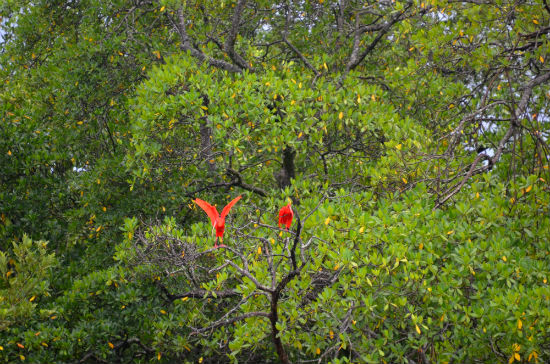
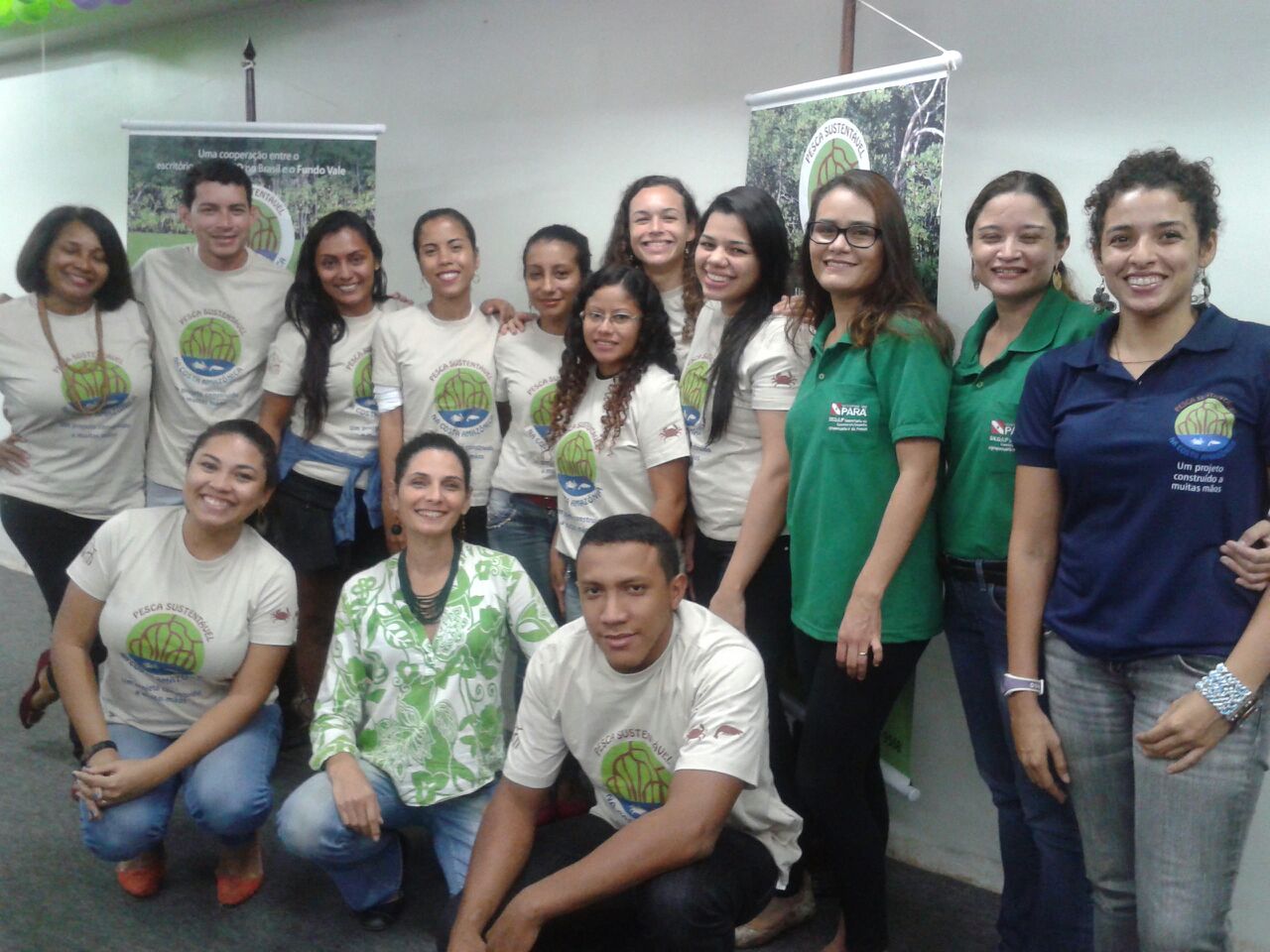
Scarlet ibis (Eudocimus ruber) in a mangrove treeIn May 2016, staff from the CSF Brazil team travelled to the Salgado Paraense region, located on the northern coast of the state of Pará. Their goal was to collect important information as part of our project on the sustainability of mangrove ecosystems. This project seeks to sensitize the government and society to the benefits these ecosystems provide, and make recommendations about economic instruments that could be used to promote financial sustainability of protected areas.
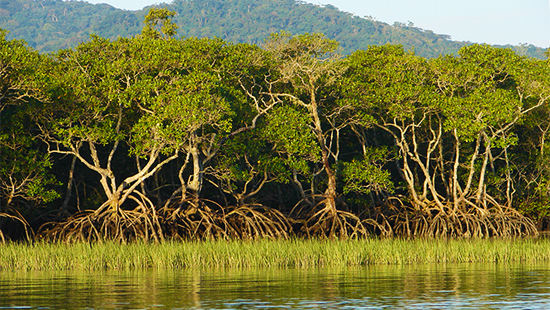
Brazilian mangroves. Photo credit: Freya Fennwood .
Mangroves are a key ecosystem contributing to biodiversity and flood protection on a local and regional level. Unfortunately most people are unaware of the ecosystem services provided by mangroves. As a result, overfishing and pollution threaten this critical habitat.
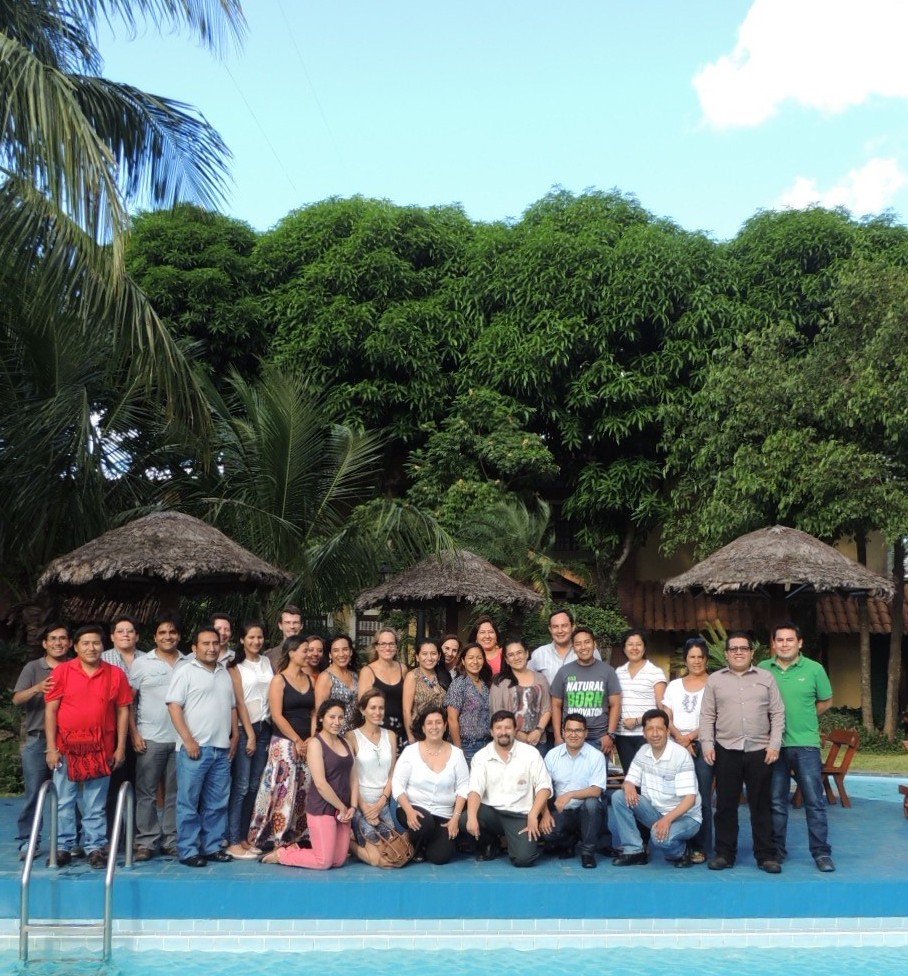
Foto: Ana Gómez
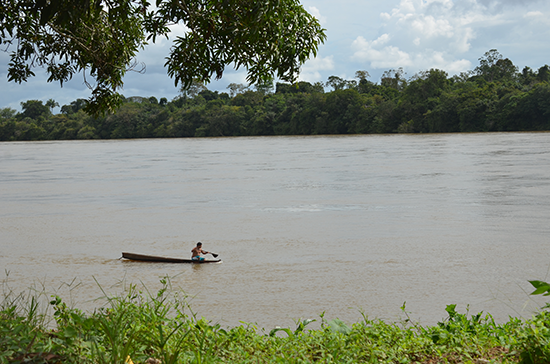
The region of the Tapajós basin is considered the new frontier of energy expansion in Brazil. Specifically the São Luiz do Tapajós hydroelectric project, the largest planned for the basin. If it is built, many ecosystem services will be impacted, influencing the well being of hundreds of local people who depend on them. In this perspective, CSF conducted a study that sought to understand the economic impacts on the services provided to local populations.
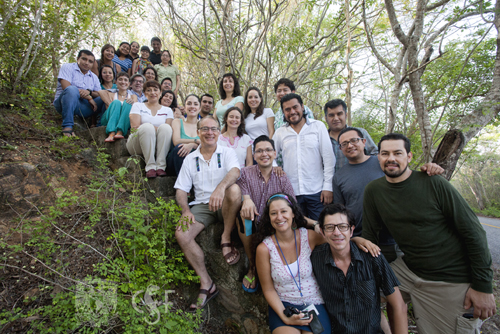
Last month, the National Autonomous University of Mexico (UNAM) and CSF presented the second annual Economic Tools for Conservation in Mexico and the Mesoamerican Reef. Twenty participants from different regions of Mexico and the Mesoamerican Reef came together to learn what economic drivers cause environmental problems and the potential solutions to them. The two-week course was held June 15th-26th at UNAM’s Chamela Biological Station in Jalisco, Mexico.
Tapajós river basin, Pará State, Brazil © Camila Jericó-Daminello
After an inventory of potential dams in the Tapajós river basin was released in 2008, the area has been hailed as the new frontier of energy development in Brazil. Due to the typically extensive environmental and social impacts of dam construction, governments and communities in the Amazon region have been engaged in discussions over the past few years on how to mitigate impacts on people and nature. Some dam projects are already underway with many more on the drawing board.
Amazonas native. © Fernanda Preto