
News
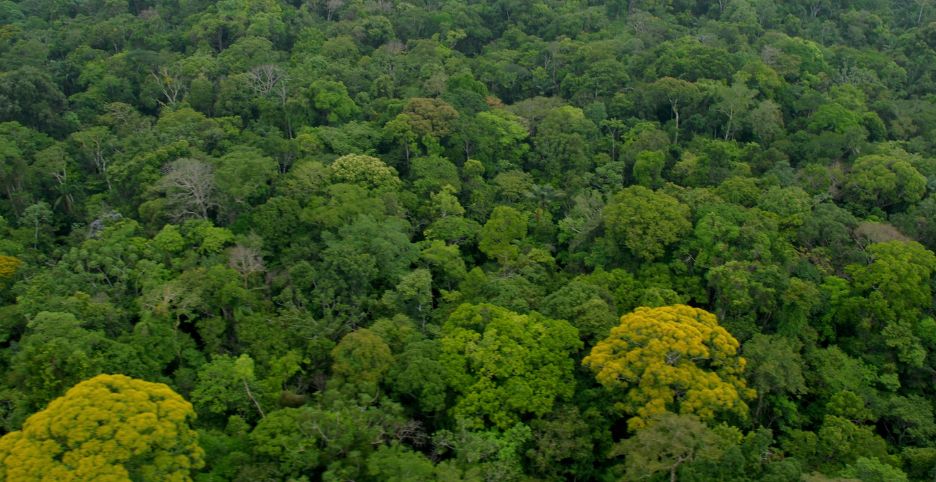
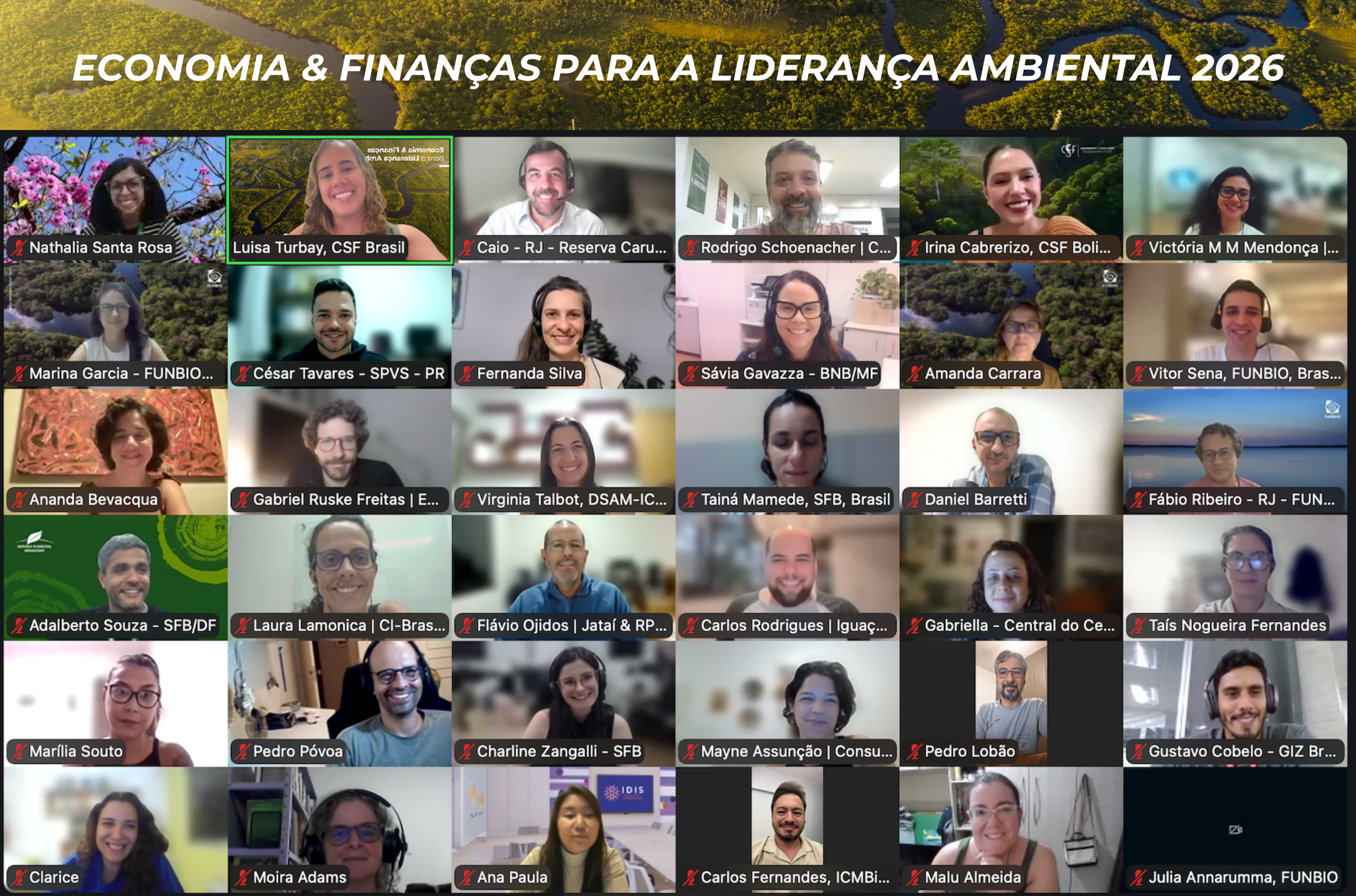
A new cohort brings together 47 professionals from across Brazil's environmental sector to strengthen the use of economics and finance in conservation decision-making.
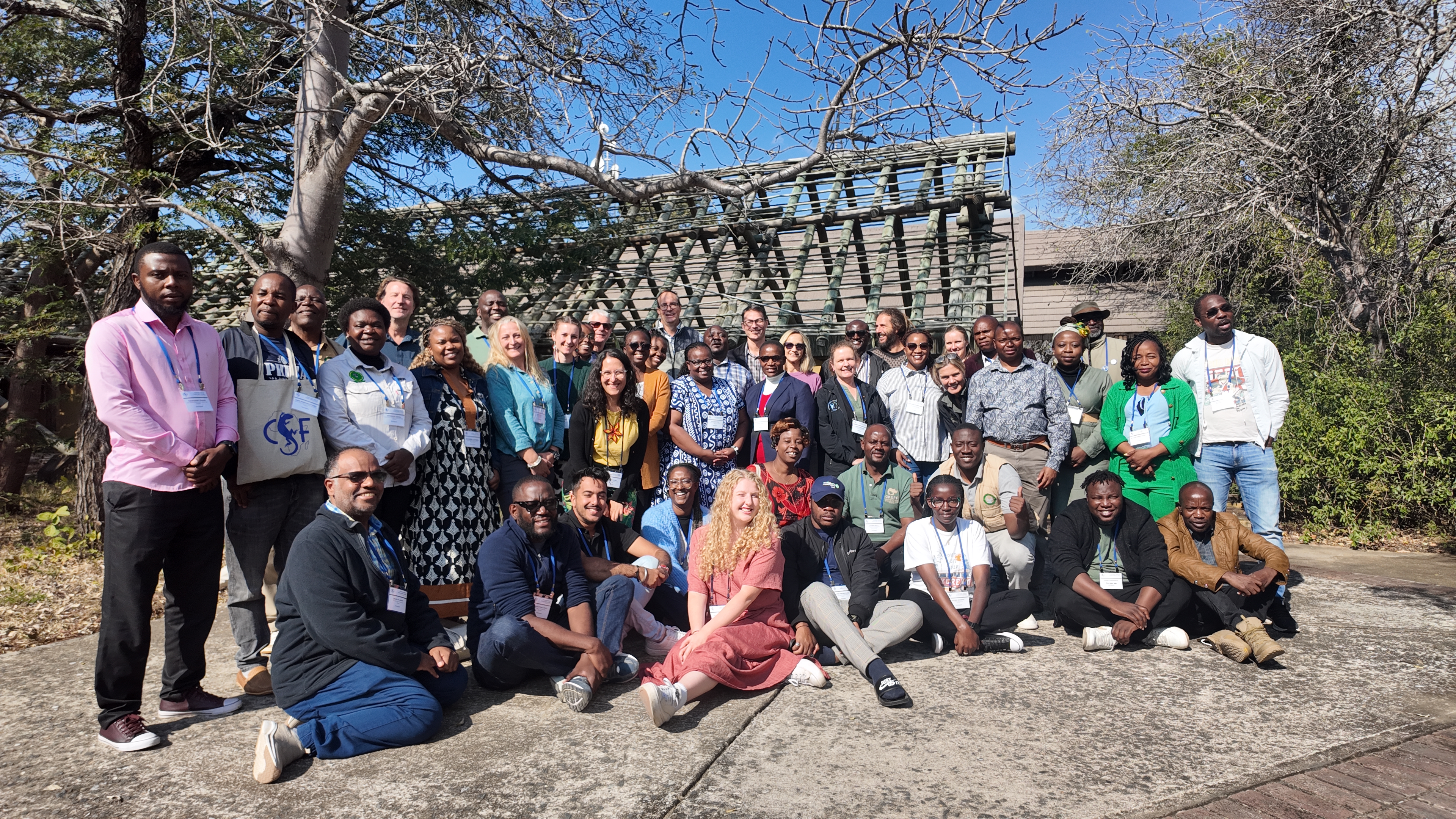
CSF Hosts our newest in-person course, Economic Tools for Conservation in Africa for the first time
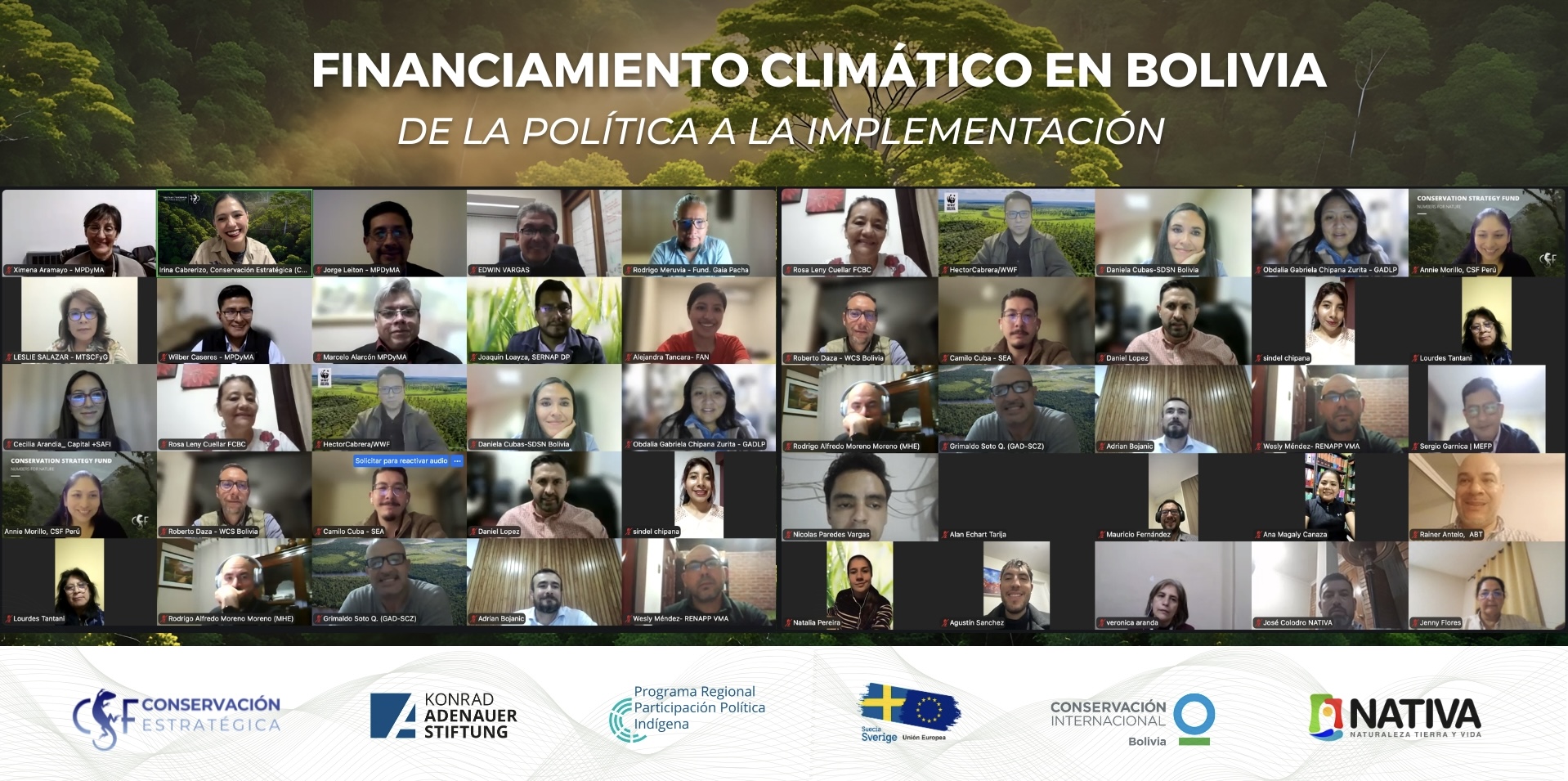
Bolivia da un paso clave para fortalecer sus capacidades en financiamiento climático con el inicio de una capacitación especializada que reúne a actores comprometidos con impulsar soluciones concretas. Un espacio para aprender, intercambiar ideas y avanzar hacia un desarrollo más sostenible. This publication is also available in English.
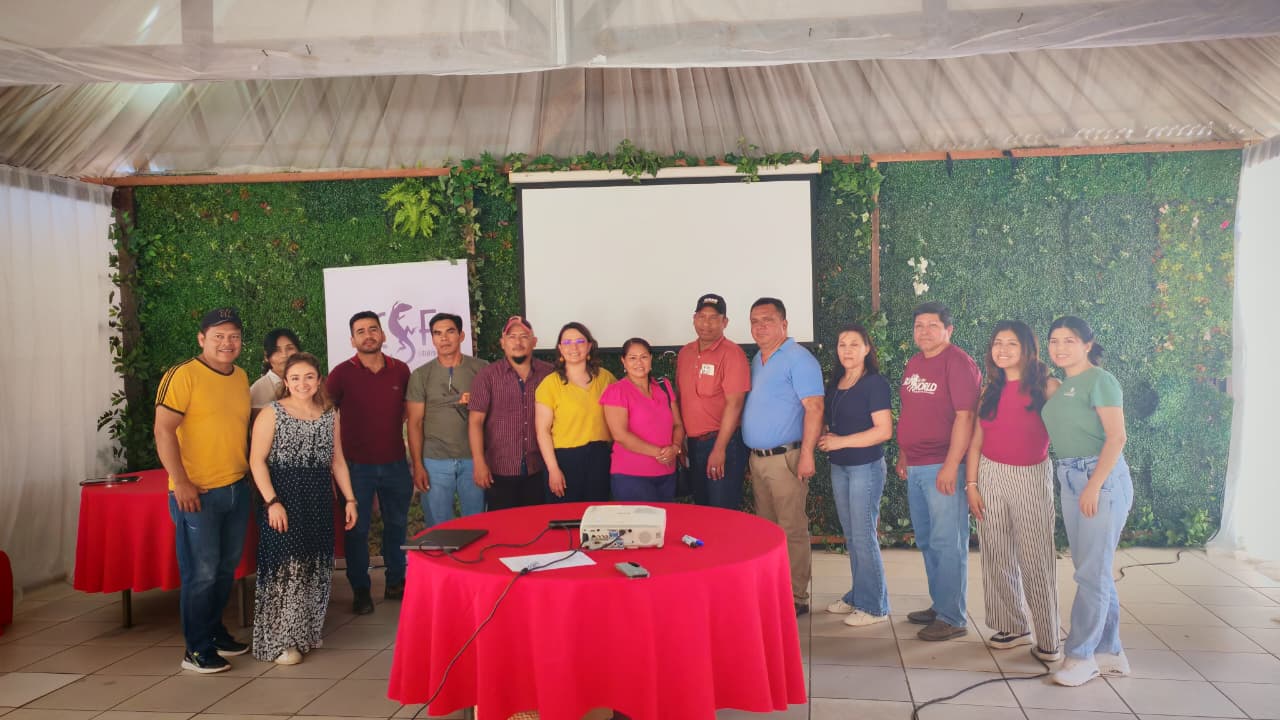
Entre el 24 y el 26 de julio, en Cobija, Pando, Bolivia, Conservation Strategy Fund (CSF) facilitó talleres de diagnóstico participativo junto a gobiernos municipales, comités de gestión, representantes de concejos municipales y especialistas en conservación amazónica.
ESPAÑOL
Finalizamos con éxito la cuarta edición de nuestro curso “Economía y Finanzas para el Liderazgo Ambiental”, un programa virtual de 12 semanas que reunió a 49 profesionales de 9 países de la región. A lo largo del curso, los participantes fortalecieron sus capacidades en herramientas económicas aplicadas a la conservación, en un espacio de aprendizaje colaborativo que combinó teoría, práctica y el intercambio de experiencias, dejando resultados muy positivos y aprendizajes valiosos para su trabajo profesional.
ENGLISH
We successfully completed the fourth edition of our course “Economía y Finanzas para el Liderazgo Ambiental,” a 12-week virtual program that brought together 49 professionals from 9 countries across the region. Throughout the course, participants strengthened their skills in economic tools applied to conservation, in a collaborative learning environment that combined theory, practice, and peer exchange—resulting in valuable insights and practical knowledge for their professional work.
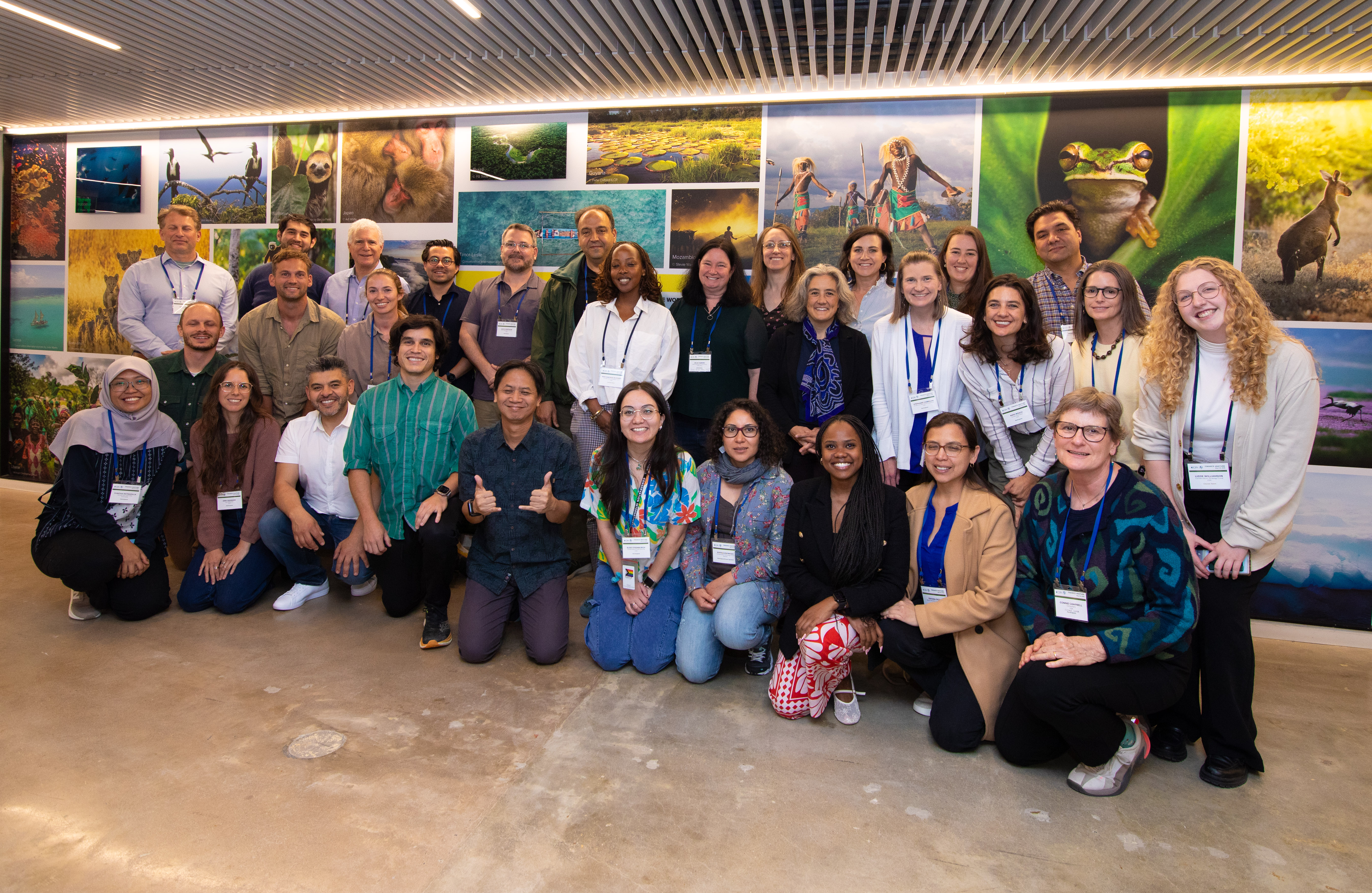
This May 5-8, 28 passionate participants representing 18 different organizations and institutions gathered at Conservation International's headquarters near Washington DC for the second edition of our newest short course, Finance 4Nature.
A free, online, self-paced course delivered in Spanish, introducing the key challenges and opportunities in protected areas financing, offering practical tools and innovative approaches to strengthen financial sustainability in Latin America and beyond.
Curso gratuito, online y autoguiado, impartido en español, que introduce los principales desafíos y oportunidades del financiamiento de áreas protegidas, con herramientas prácticas y enfoques innovadores para fortalecer su sostenibilidad en América Latina y más allá.
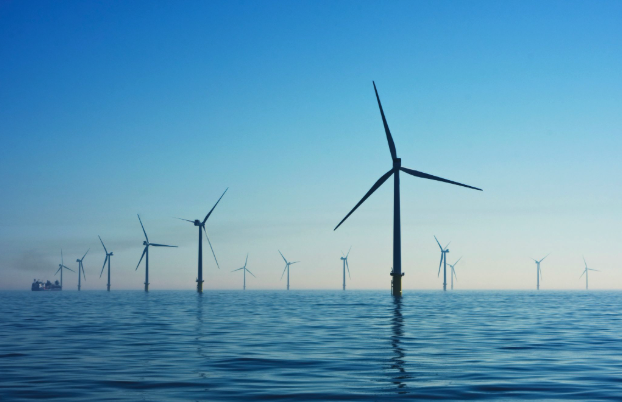
While Washington is canceling wind farms, the rest of the world is busy buying them.
In 2025, global energy-transition investment reached $2.3 trillion. Renewable energy drew $386 billion in the first half of 2025, up 10% year on year. Solar generation grew by about 30% year on year, and renewables overtook coal in global electricity generation for the first time in a century. China added nearly 500 GW of renewable capacity in one year. India's capacity additions jumped 60%. The EU added 85 GW.