
News

Para leer este artículo en español, sigue leyendo a continuación.
When people think of the Peruvian Amazon, they tend to imagine vast forests, powerful rivers, and extraordinary biodiversity. Rarely, however, do they think of a single species that brings together food, culture, ecology, and local economies as clearly as aguaje.
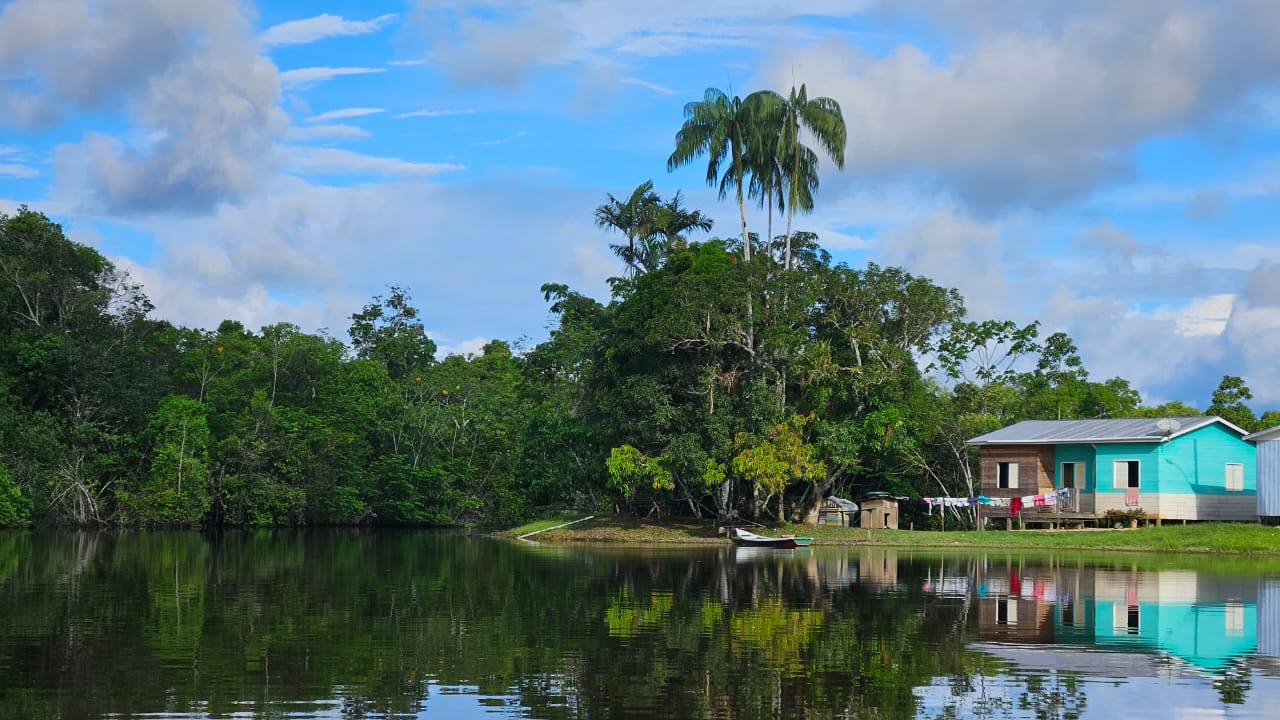
Conservation Strategy Fund (CSF) led a regional initiative between 2025 and 2026 to assess the ecosystem services these territories provide and identify best practices for their conservation and sustainable use. The study covered eight wetlands in the region: the Yata River (Bolivia), the Juruá River (Brazil), the Inírida River Delta (Colombia), the Limoncocha Biological Reserve (Ecuador), North Rupununi (Guyana), the Pastaza Fan and the Pacaya Samiria National Reserve (Peru), and the Coppenamemonding Nature Reserve (Suriname). The analysis focused on services such as carbon sequestration, food provision, recreation (tourism), biodiversity, and water supply.
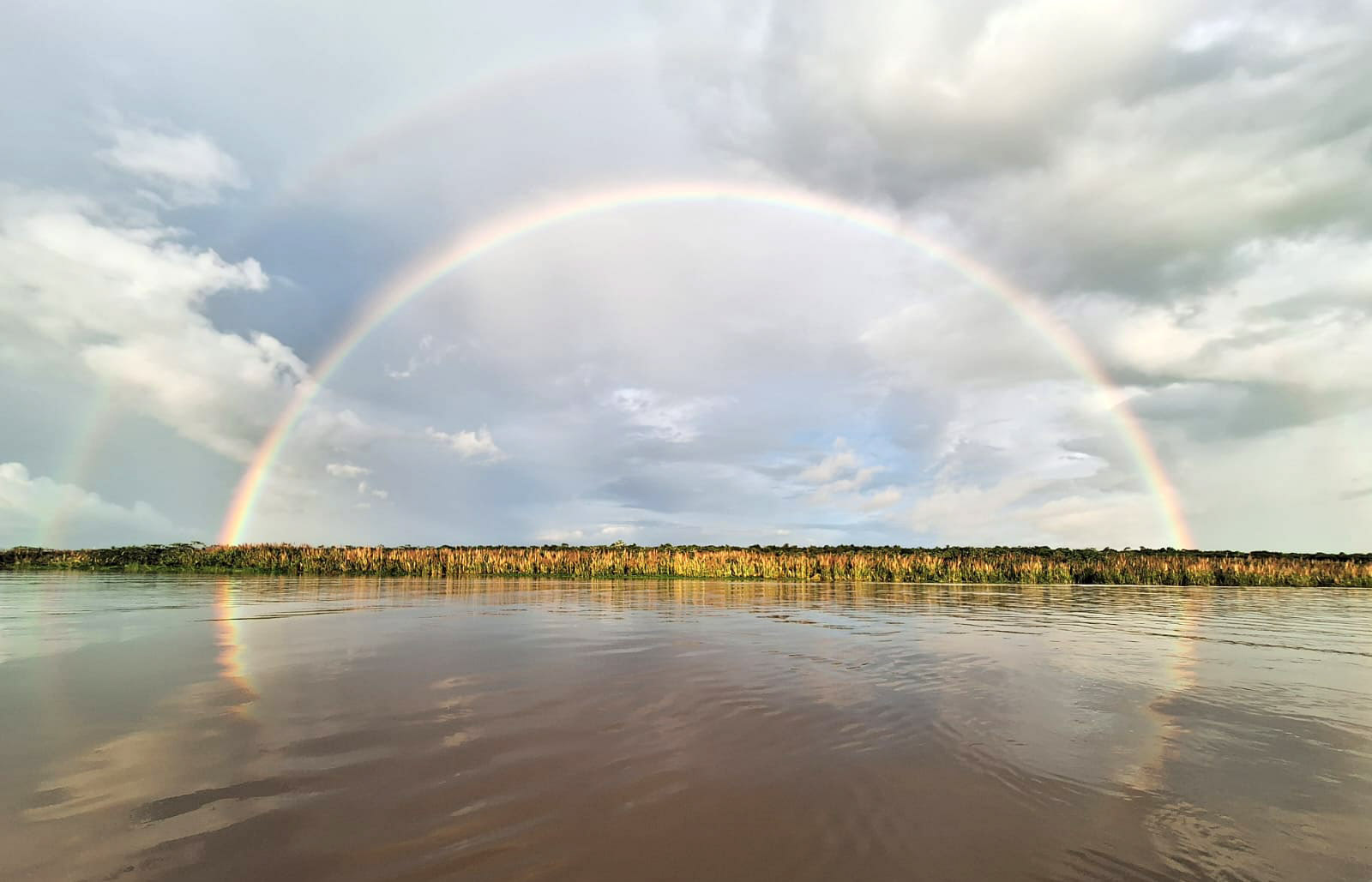
Conservation Strategy Fund (CSF) lideró entre 2025 y 2026 una iniciativa regional para evaluar los servicios ecosistémicos que estos territorios brindan, e identificar buenas prácticas para su conservación y uso sostenible. El estudio abarcó ocho humedales de la región: el río Yata (Bolivia), el río Juruá (Brasil), la Estrella Fluvial del Inírida (Colombia), la Reserva Biológica de Limoncocha (Ecuador), North Rupununi (Guyana), el Abanico del Pastaza y la Reserva Nacional Pacaya Samiria (Perú) y la Reserva Natural Coppenamemonding (Surinam). El análisis se centró en servicios como el secuestro de carbono, la provisión de alimentos, la recreación (turismo), la biodiversidad y el suministro de agua.
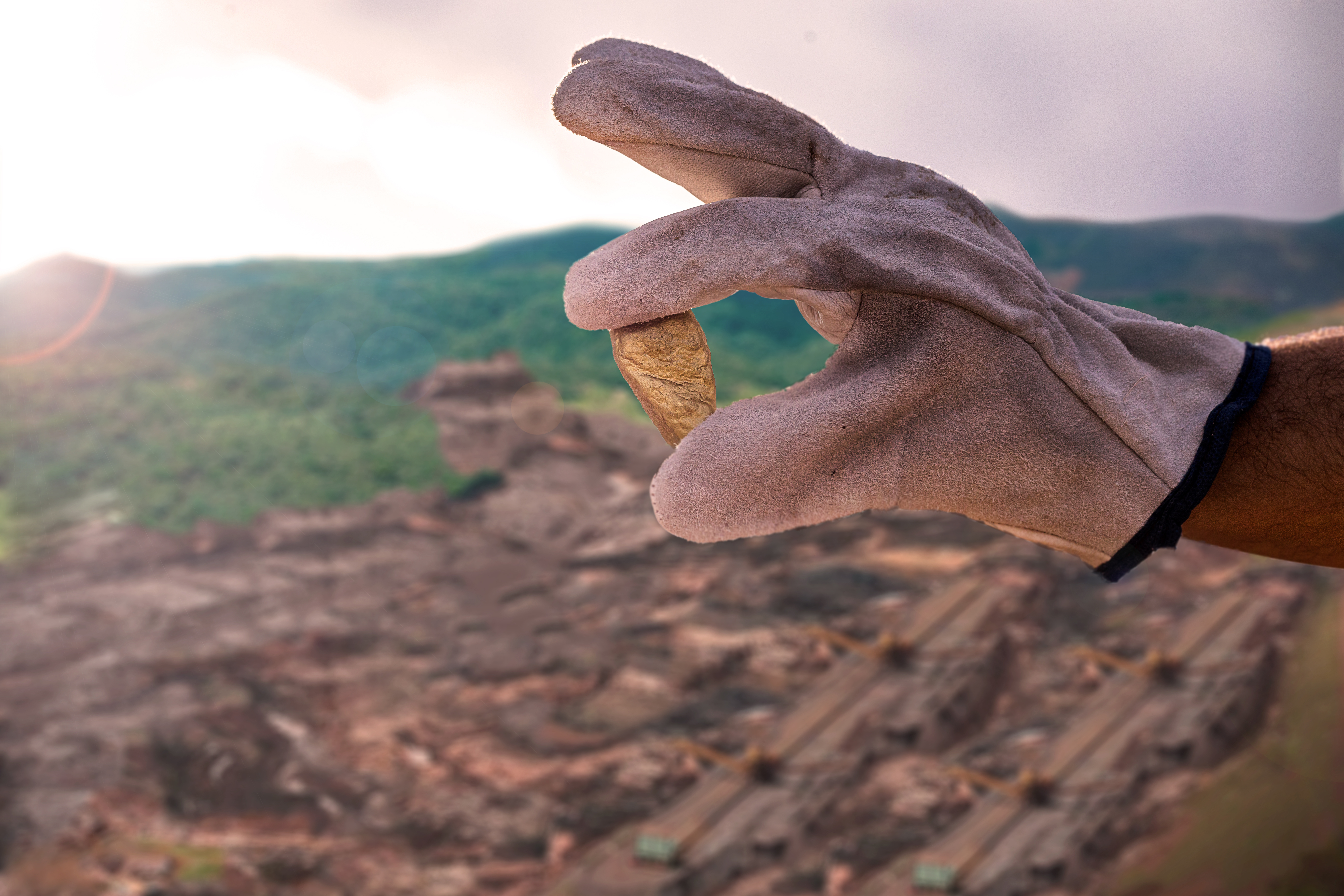
January 2026: A new chapter in tackling illegal gold mining is unfolding in the Amazon.

Earlier this month, we were grateful to be working with several partners in the Amboseli Landscape of the Kajiado County in Kenya. This landscape is composed of the highest mountain in Africa as a backdrop, the incredible Amboseli National Park and surrounding ecosystems as the canvas, and the Maasai people, their livestock and the wildlife as the artists who have influenced this land over centuries.
But this picture is now fracturing.
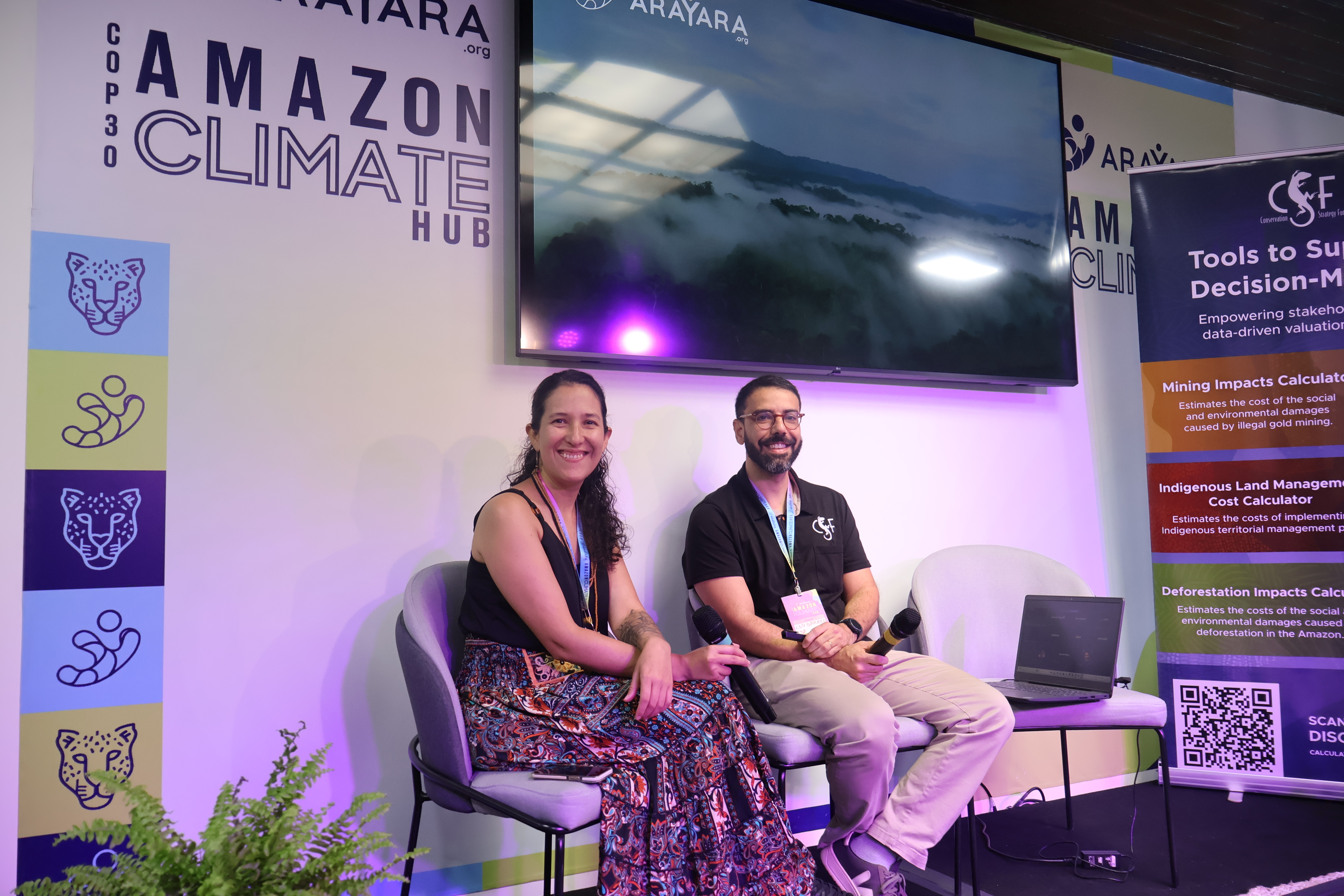
On November 20, 2025, during COP30, we hosted the workshop “Valuing Nature, Empowering Action: Interactive Training with the CSF Calculator Hub” at the ARAYARA – Amazon Climate Hub in Belém, Brazil. The session brought together people working in conservation for a hands-on exploration of socio-environmental and economic valuation tools to support inclusive, evidence-based, and Indigenous-informed climate action.
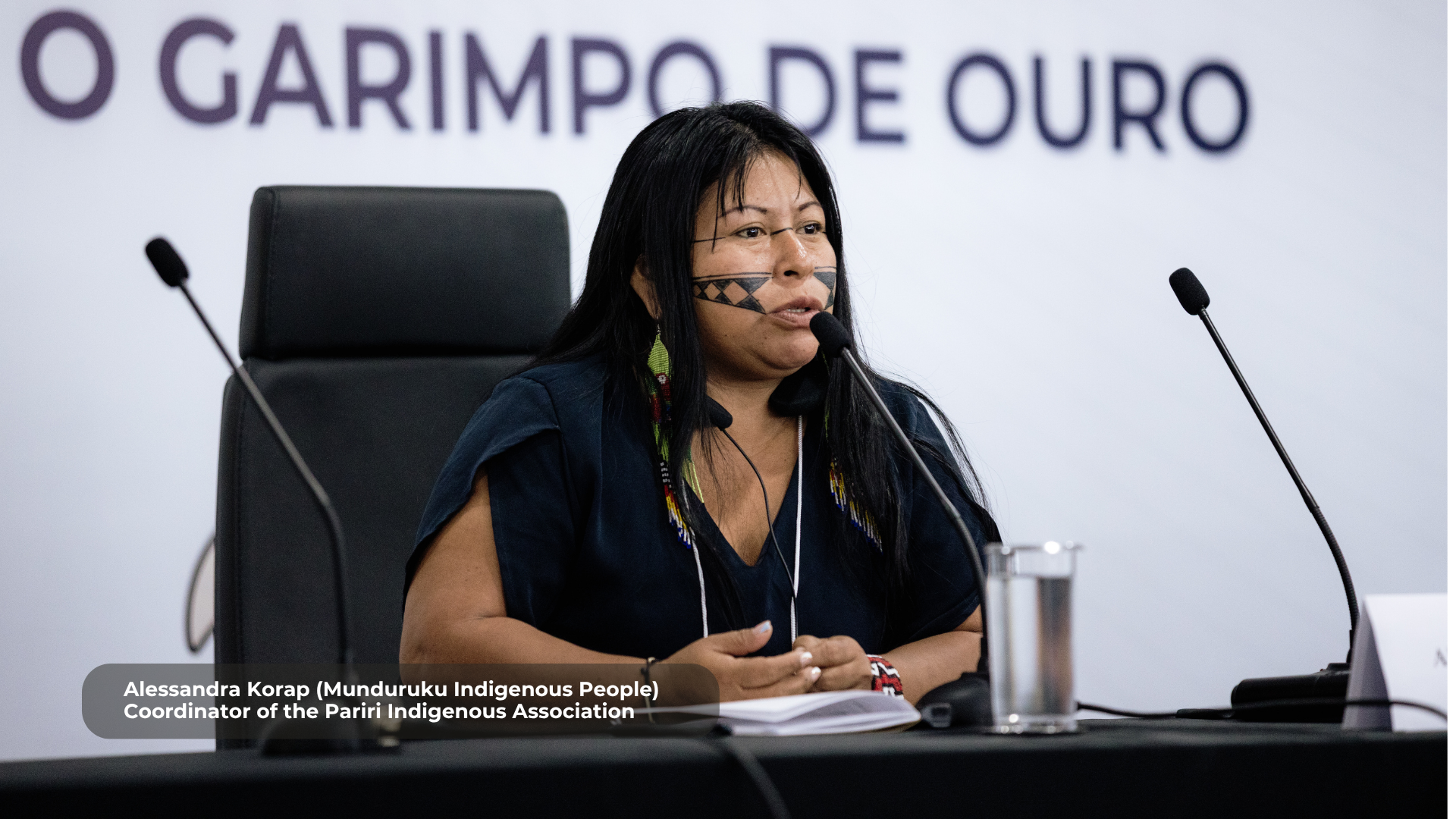
Leaders from seven Amazonian countries gathered in Brasília for a regional workshop hosted by Conservation Strategy Fund to address the environmental, social, and legal impacts of mercury-based gold mining. The event highlighted the urgent need for cross-border cooperation and tools like the Mining Impacts Calculator to guide enforcement, protect ecosystems, and strengthen environmental governance across the Amazon.
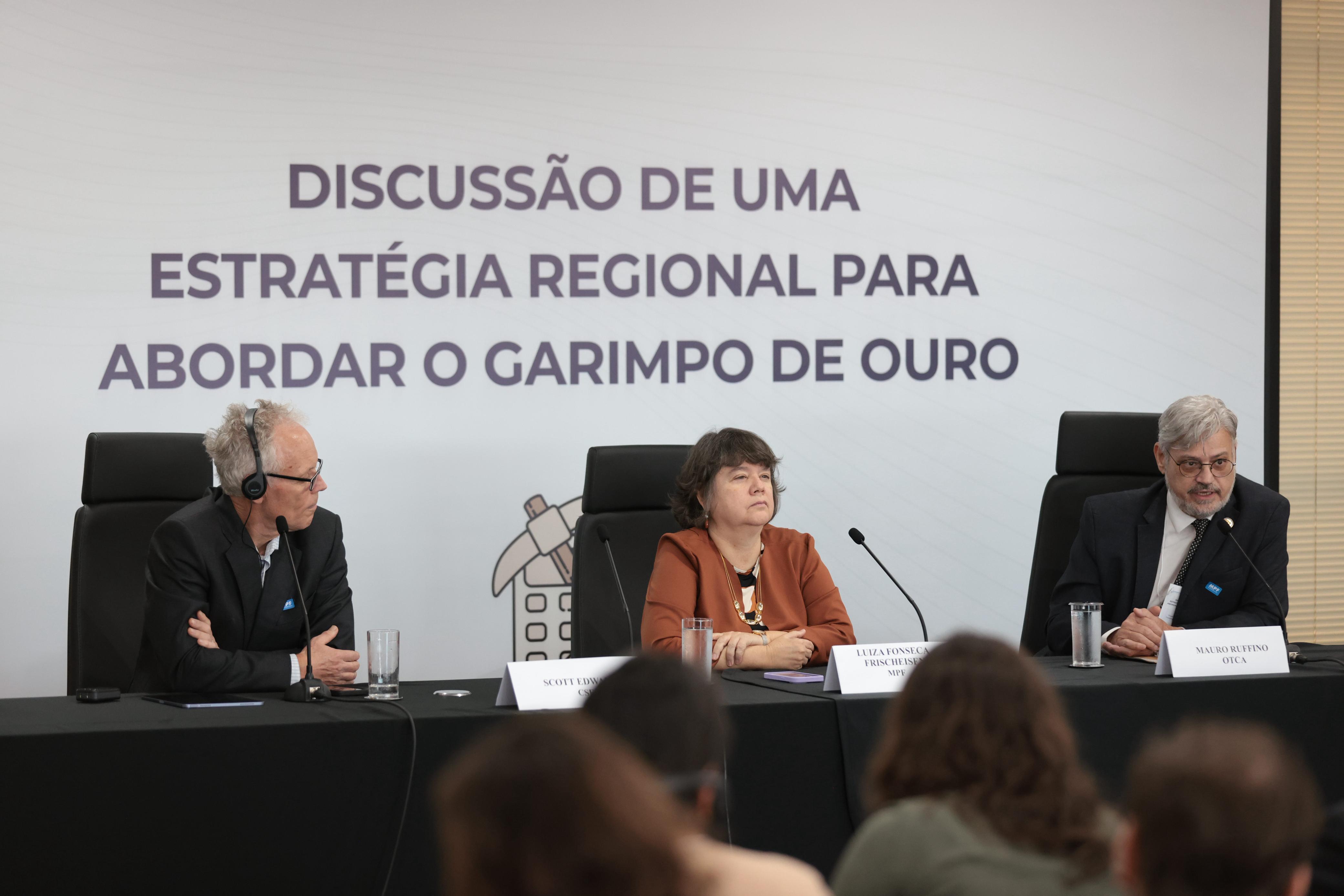
Ante los crecientes desafíos sociales, ambientales y económicos relacionados con la minería de oro y el uso de mercurio en la región amazónica, funcionarios de Gobierno, cooperación internacional y otros actores, se dieron cita en el taller “Discusión de una Estrategia Regional para Abordar la Minería de Oro”, desarrollado el pasado 18 de junio en Brasilia, Brasil.
Background
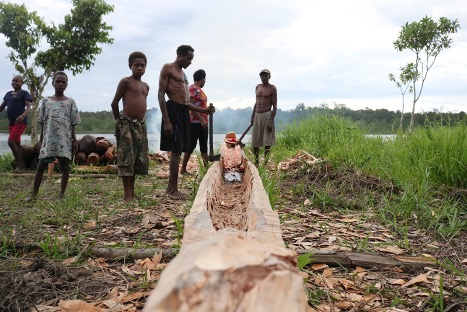
The Asmat Regency is one of four regencies in South Papua, an Indonesian province with abundant natural resources, among them tropical forest ecosystems, fisheries, mining, and inland aquatic ecosystems. Natural resource management and economic development are some of the key challenges facing the region and are often assumed to be in opposition to each other.
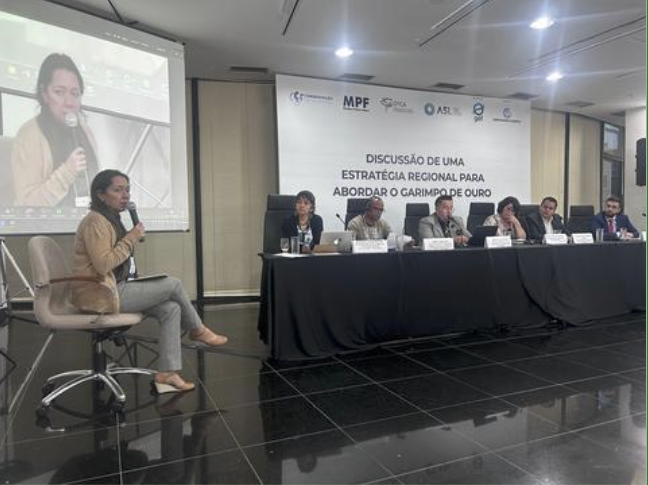
Two weeks ago, I joined a webinar hosted by the World Bank for the Amazonia Viva team on the development and use of the Mining Impacts Calculator in the Amazon. There was strong interest from participants, and I was particularly struck by how IBAMA, Brazil’s environmental enforcement agency, is actively using the tool to impose fines on violators engaged in illegal gold mining.