
“Where grass is ‘gold’: Competition for land use and traditional approaches
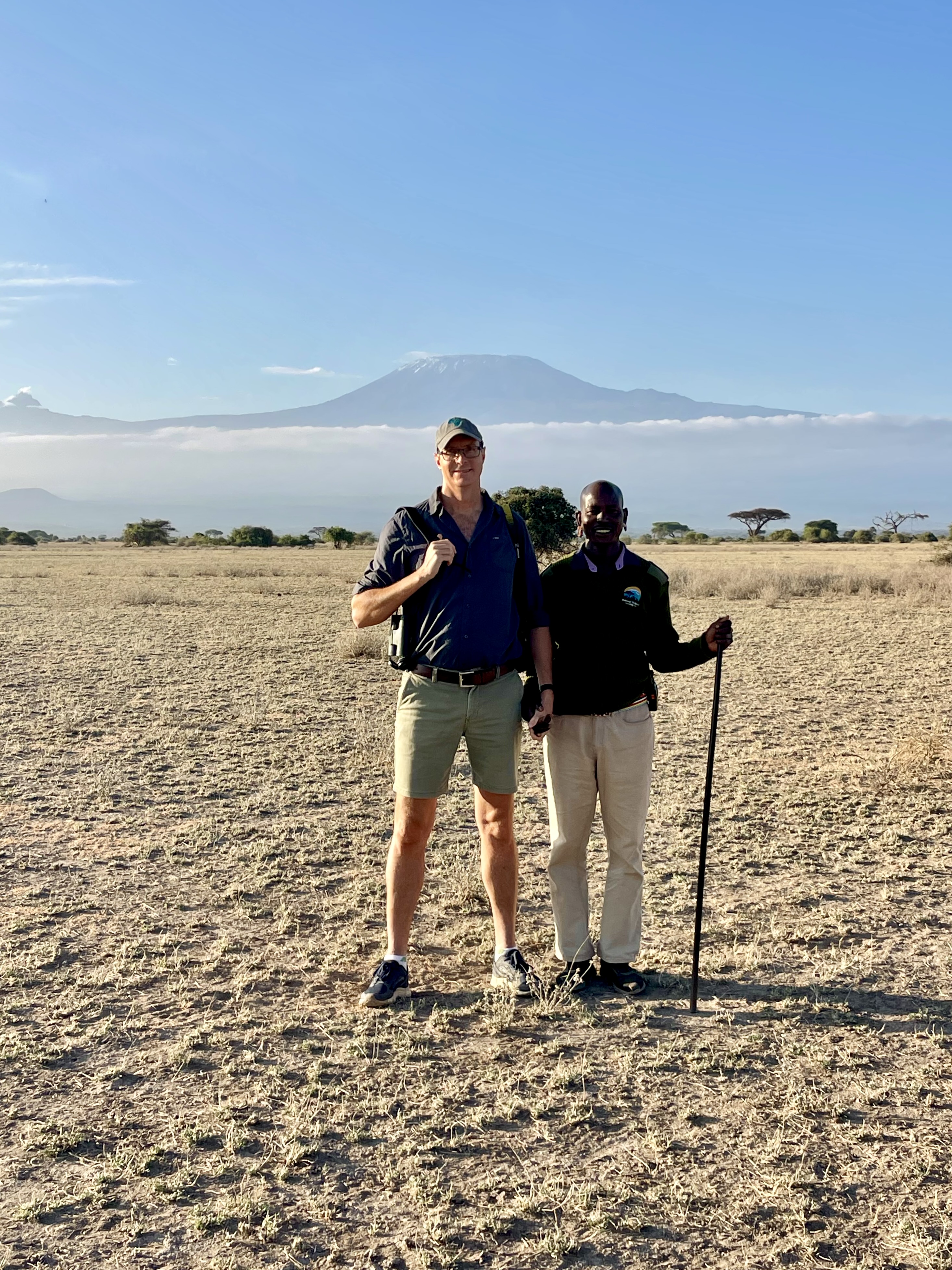
Earlier this month, we were grateful to be working with several partners in the Amboseli Landscape of the Kajiado County in Kenya. This landscape is composed of the highest mountain in Africa as a backdrop, the incredible Amboseli National Park and surrounding ecosystems as the canvas, and the Maasai people, their livestock and the wildlife as the artists who have influenced this land over centuries.
But this picture is now fracturing.
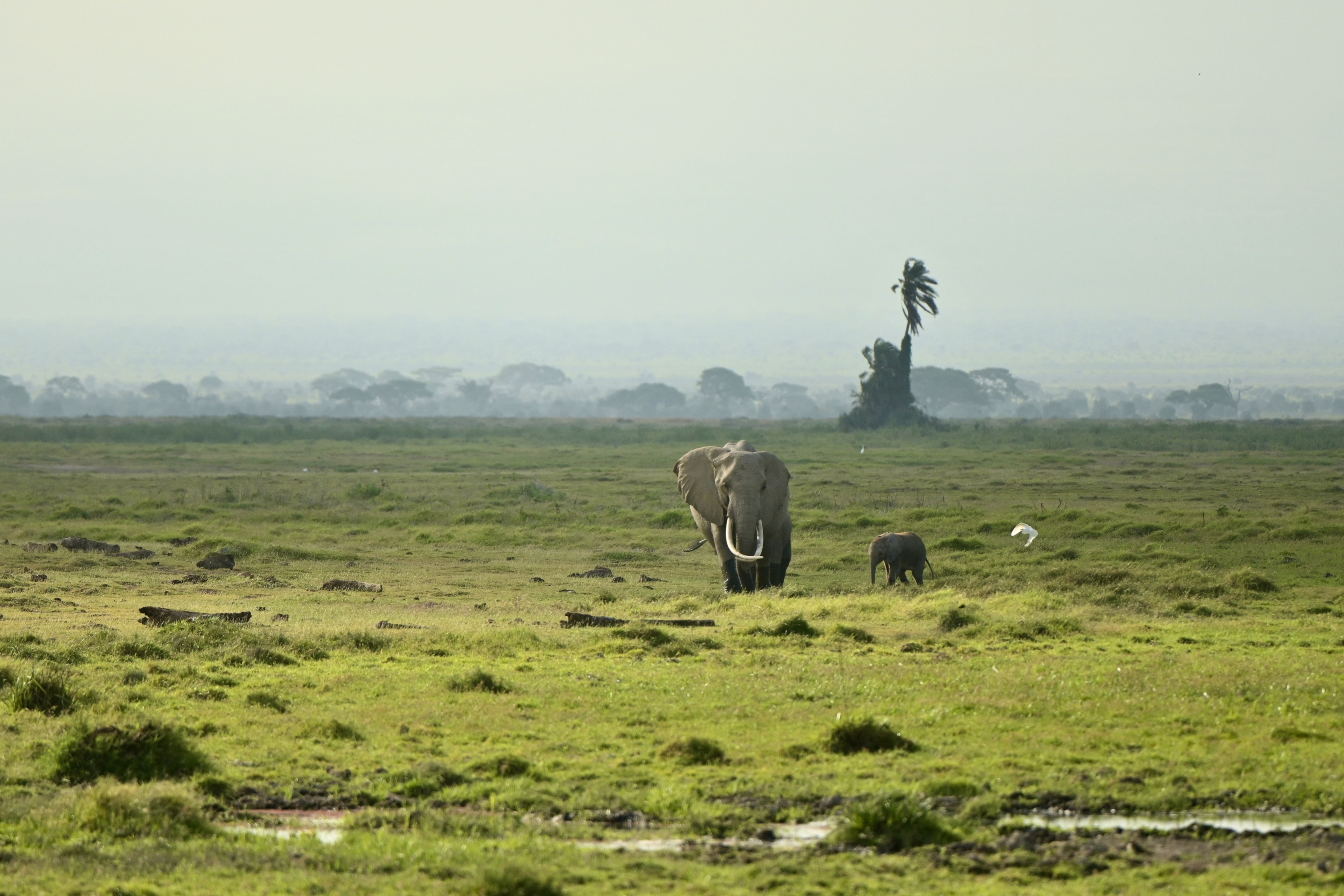
Extreme climatic shifts and increased frequency of droughts is affecting the resilience of this ecosystem, people living in the land are looking for pathways to improve their lives and livelihoods and adopt more modern practices, and external pressure to extract wealth from the land is resulting in fences, built infrastructure and intensive agriculture - all elements that are contrary to the open systems of the past.
Acknowledging this shift is critical as we assess how best this landscape can retain its resilience and productivity, ensuring that the ecosystems that have provided services for so long, can continue to do so.
Furthermore, in a move to localise the benefits from the greater Amboseli Ecosystem, the Amboseli National Park was recently devolved to Kajiado County, recognising the role that the County and surrounding communities play in the conservation of this landscape.
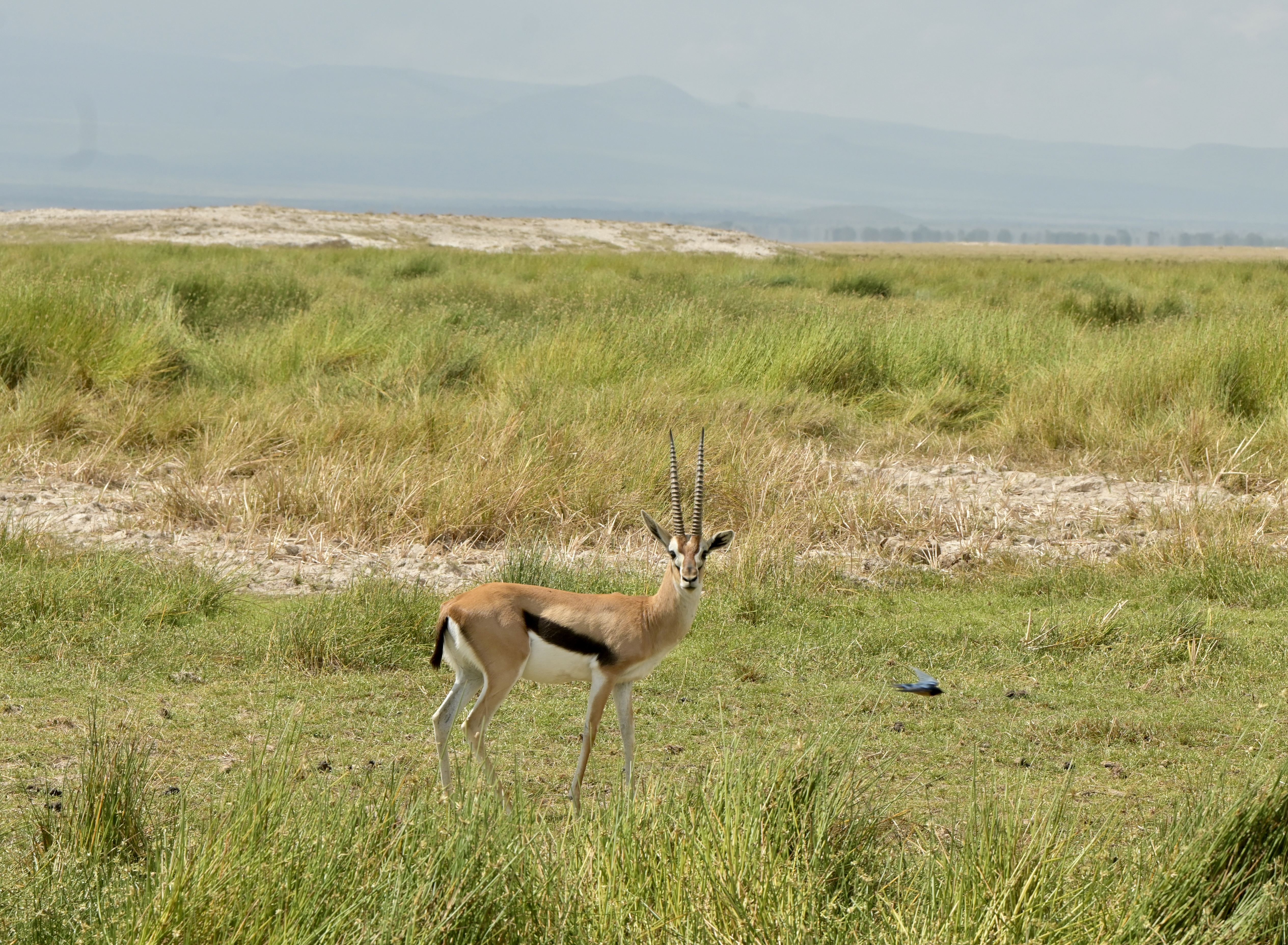
The work that CSF is doing in partnership with the African Wildlife Foundation, the Kajiado County Investment Authority and Orango Consulting is focused on developing sustainable financing strategies for the greater Amboseli Landscape - ensuring that the various economic interests in the landscape are aligned, and that finance can flow to nature positive activities. Being closely linked in their culture and livelihoods to nature and intact ecosystems, the Maasai clearly recognise their reliance on the long term benefits of conservation and sustainable development. A comment from the group of stakeholders related to ‘grass being the region’s gold’ - demonstrates their clear understanding of nature’s economic value. Also clear are the cultural ties to the wildlife that share this grass with the livestock that is so foundational to the people.
The work being done collectively takes into account these various needs - economic, cultural, social and ecological - using the value of nature to develop spatial plans and incentivise ecologically and economically sustainable practices that align with these incredible people, ecosystems and wildlife.
This is a challenge that is being played out across numerous economies globally - how to finance nature and incorporate its value into decision making processes - but it is refreshing to work with communities that are so in-tune with these values already.
We look forward to seeing the outcomes of these efforts and seeing the Amboseli landscape retain its unique value into the future, achieving long term prosperity for its people and the rest of nature.
Learn more about CSF's Africa Program here.
- Log in to post comments