
News
This article was originally written by SPDA / ActualidadAmbiental.pe
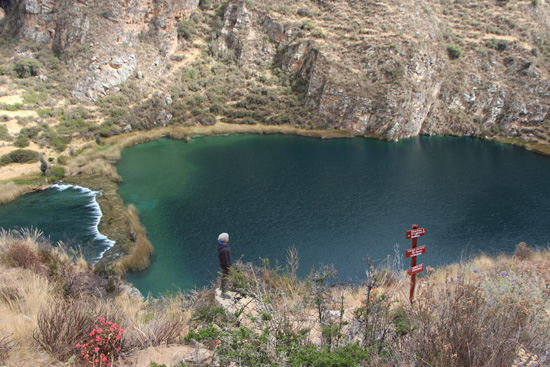
A tourist at the Nor Yauyos-Cochas Landscape Reserve. Photo credit: Annie EscobedoConservation Strategy Fund (CSF) presented a study on the economic impact of tourism within the Natural Protected Areas (ANP) of the National System of Natural Protected Areas by the State (SINANPE).
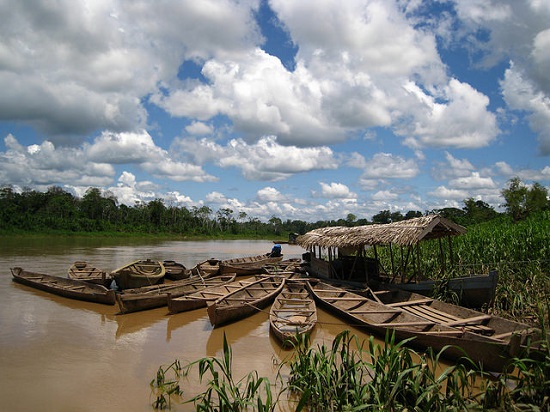
Yaguas National Park, Peru. Photo credit: Frank S. Cardoza
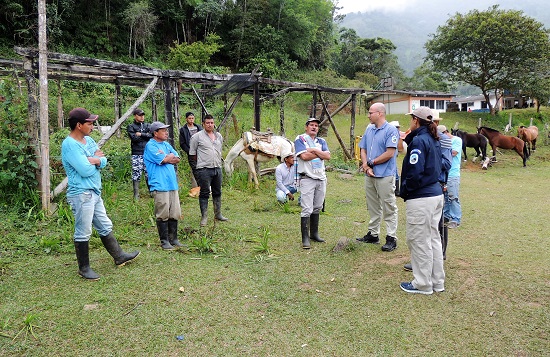
Reunión en Peñas Blancas, Parque Farallones del Cali. Foto: Carlos SolísColombia es actualmente uno de los países con mayor biodiversidad del planeta. Esta riqueza está representada en 59 áreas naturales, las cuales son administradas por el Sistema de Parques Nacionales Naturales de Colombia (SPNNC). ElSPNNC está apostando por la implementación de esquemas de Pagos por Servicios Ambientales (PSA), a fin de estimular la conservación, preservación y restauración de los ecosistemas.

Every day, support from donors like you makes our work possible. Are you willing to make a special year-end donation to help us protect ecosystems around the world?Please, click here to make your donation now.

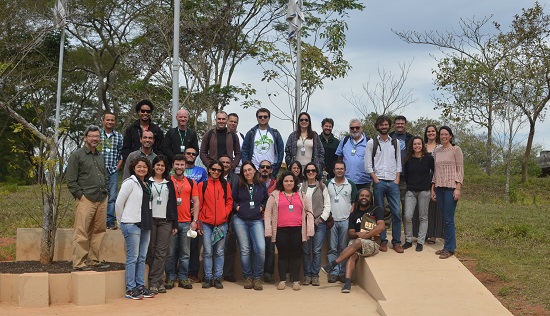
In early August, CSF and the Chico Mendes Institute for Conservation of Biodiversity (ICMBio), in partnership with the United States Forest Service (USFS), held a four day training on Economic and Financial Feasibility of Supporting Services for Visitation of Conservation Units (Unidades de Conservação - UCs) at the Biodiversity National Academy (ACADEBio), in Iperó, Brazil.
Course participants and instructors.
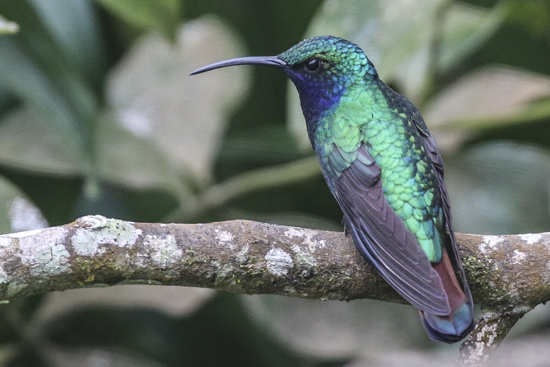
Lazuline Sabrewing, photo credit: Alvaro Jaramillo
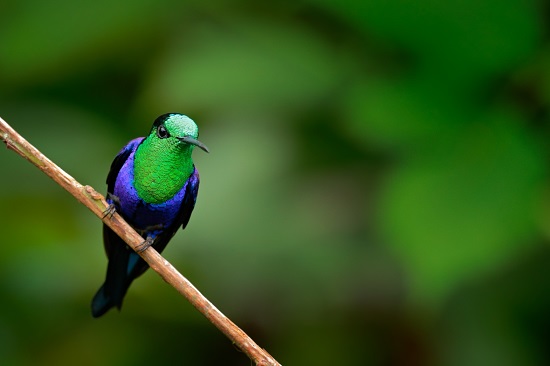
Colombia has the greatest bird diversity in the world. Approximately 1,900 bird species have been registered, equivalent to 20% of all species globally. This wealth in species highlights a tremendous potential for birding tourism. Current efforts by the Colombian government to increase security and end decades of armed conflict, as well as to promote ecotourism, can help position the country as one of the most important birding destinations in the world.
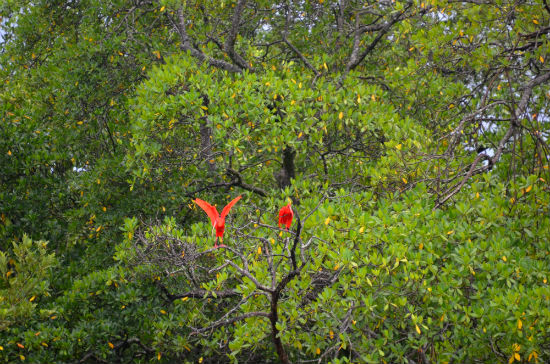
Scarlet ibis (Eudocimus ruber) in a mangrove treeIn May 2016, staff from the CSF Brazil team travelled to the Salgado Paraense region, located on the northern coast of the state of Pará. Their goal was to collect important information as part of our project on the sustainability of mangrove ecosystems. This project seeks to sensitize the government and society to the benefits these ecosystems provide, and make recommendations about economic instruments that could be used to promote financial sustainability of protected areas.
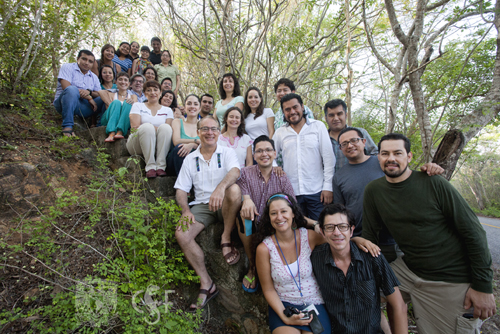
Last month, the National Autonomous University of Mexico (UNAM) and CSF presented the second annual Economic Tools for Conservation in Mexico and the Mesoamerican Reef. Twenty participants from different regions of Mexico and the Mesoamerican Reef came together to learn what economic drivers cause environmental problems and the potential solutions to them. The two-week course was held June 15th-26th at UNAM’s Chamela Biological Station in Jalisco, Mexico.