
News
A free, online, self-paced course delivered in Spanish, introducing the key challenges and opportunities in protected areas financing, offering practical tools and innovative approaches to strengthen financial sustainability in Latin America and beyond.
Curso gratuito, online y autoguiado, impartido en español, que introduce los principales desafíos y oportunidades del financiamiento de áreas protegidas, con herramientas prácticas y enfoques innovadores para fortalecer su sostenibilidad en América Latina y más allá.
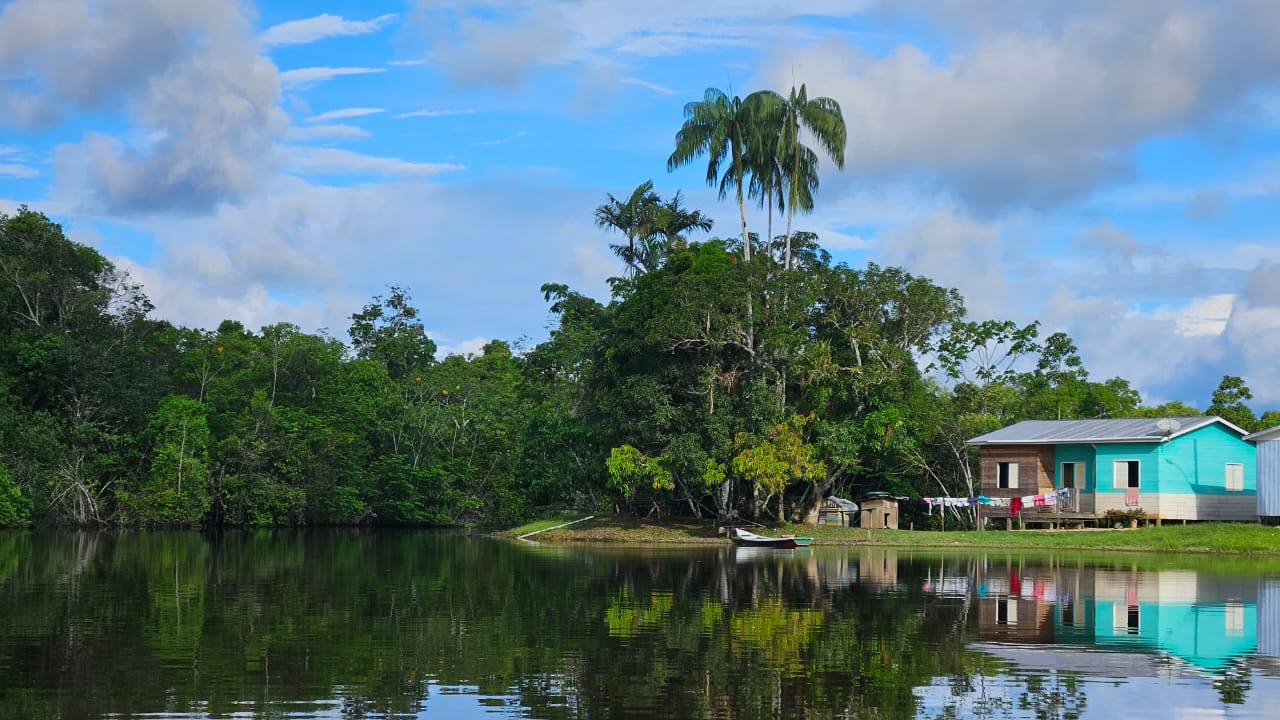
Conservation Strategy Fund (CSF) led a regional initiative between 2025 and 2026 to assess the ecosystem services these territories provide and identify best practices for their conservation and sustainable use. The study covered eight wetlands in the region: the Yata River (Bolivia), the Juruá River (Brazil), the Inírida River Delta (Colombia), the Limoncocha Biological Reserve (Ecuador), North Rupununi (Guyana), the Pastaza Fan and the Pacaya Samiria National Reserve (Peru), and the Coppenamemonding Nature Reserve (Suriname). The analysis focused on services such as carbon sequestration, food provision, recreation (tourism), biodiversity, and water supply.
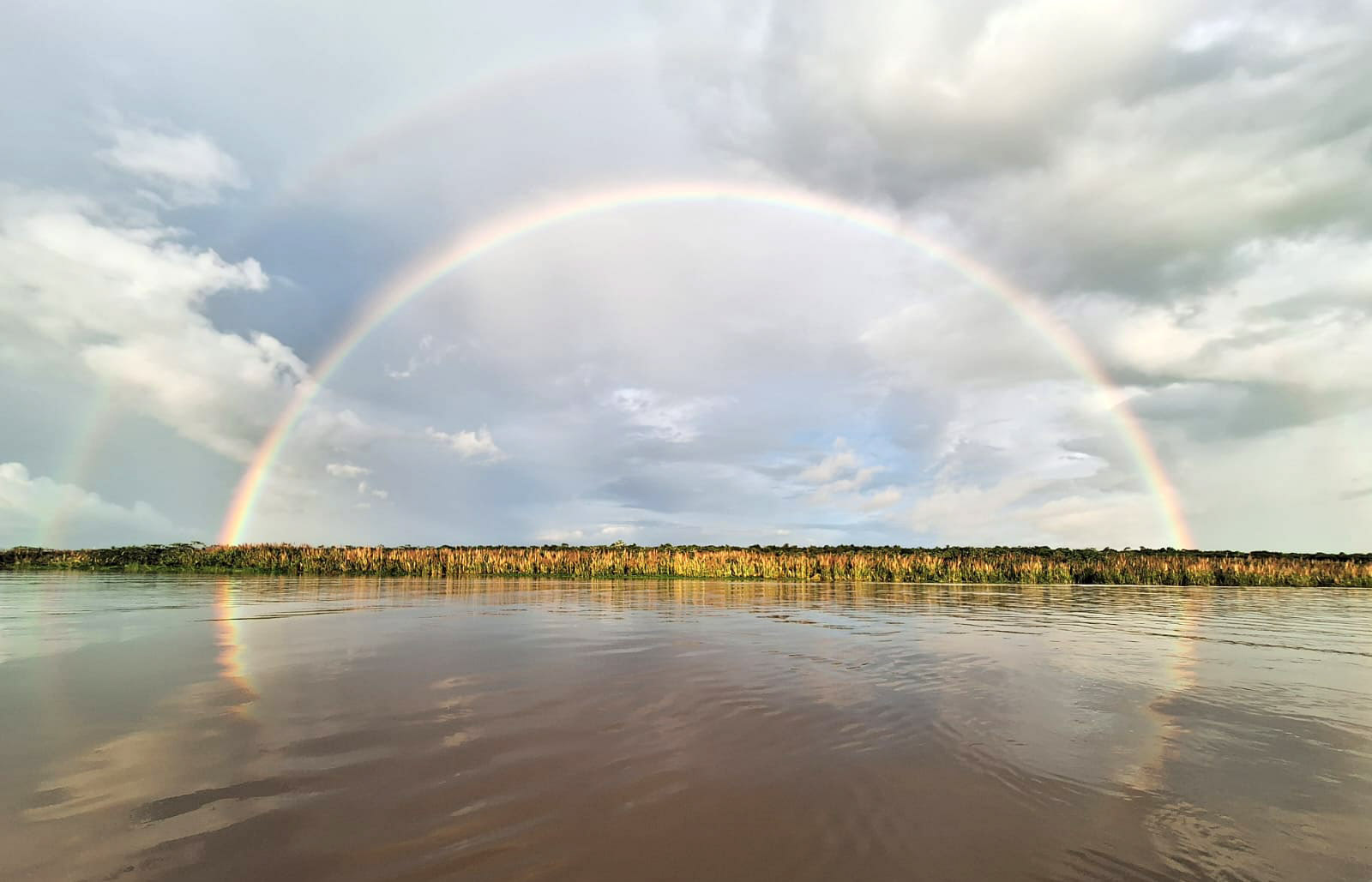
Conservation Strategy Fund (CSF) lideró entre 2025 y 2026 una iniciativa regional para evaluar los servicios ecosistémicos que estos territorios brindan, e identificar buenas prácticas para su conservación y uso sostenible. El estudio abarcó ocho humedales de la región: el río Yata (Bolivia), el río Juruá (Brasil), la Estrella Fluvial del Inírida (Colombia), la Reserva Biológica de Limoncocha (Ecuador), North Rupununi (Guyana), el Abanico del Pastaza y la Reserva Nacional Pacaya Samiria (Perú) y la Reserva Natural Coppenamemonding (Surinam). El análisis se centró en servicios como el secuestro de carbono, la provisión de alimentos, la recreación (turismo), la biodiversidad y el suministro de agua.

January 2026: A new chapter in tackling illegal gold mining is unfolding in the Amazon.
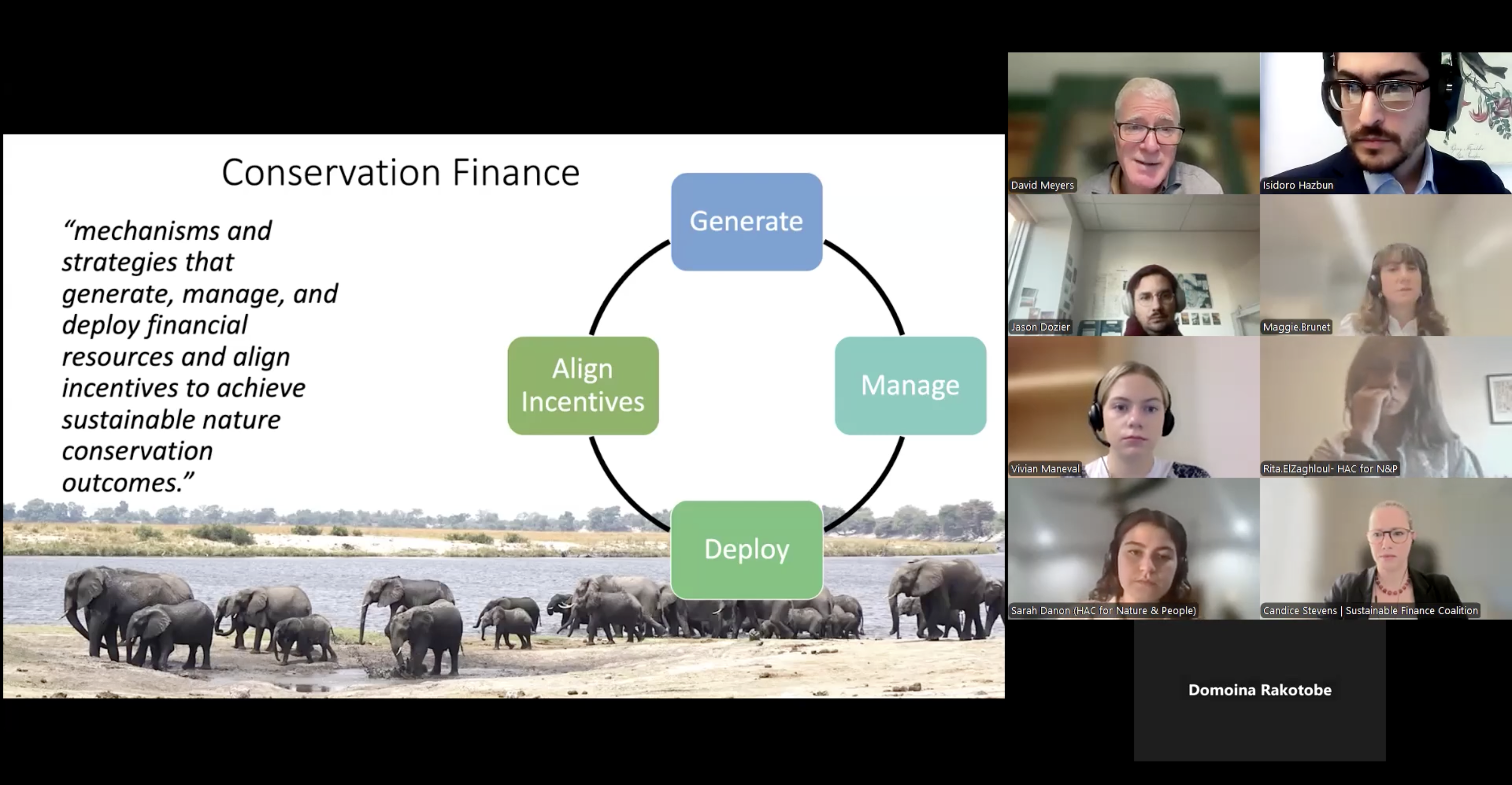
In the fall of 2025, Conservation Strategy Fund, along with BIOFIN, IUCN World Commission on Protected Areas, Sustainable Finance Coalition, and the Conservation Finance Alliance (CFA), partnered with the High Ambition Coalition for Nature & People (HAC), to contribute to a series of ‘bootcamp’ sessions on conservation finance.&nb

Earlier this month, we were grateful to be working with several partners in the Amboseli Landscape of the Kajiado County in Kenya. This landscape is composed of the highest mountain in Africa as a backdrop, the incredible Amboseli National Park and surrounding ecosystems as the canvas, and the Maasai people, their livestock and the wildlife as the artists who have influenced this land over centuries.
But this picture is now fracturing.
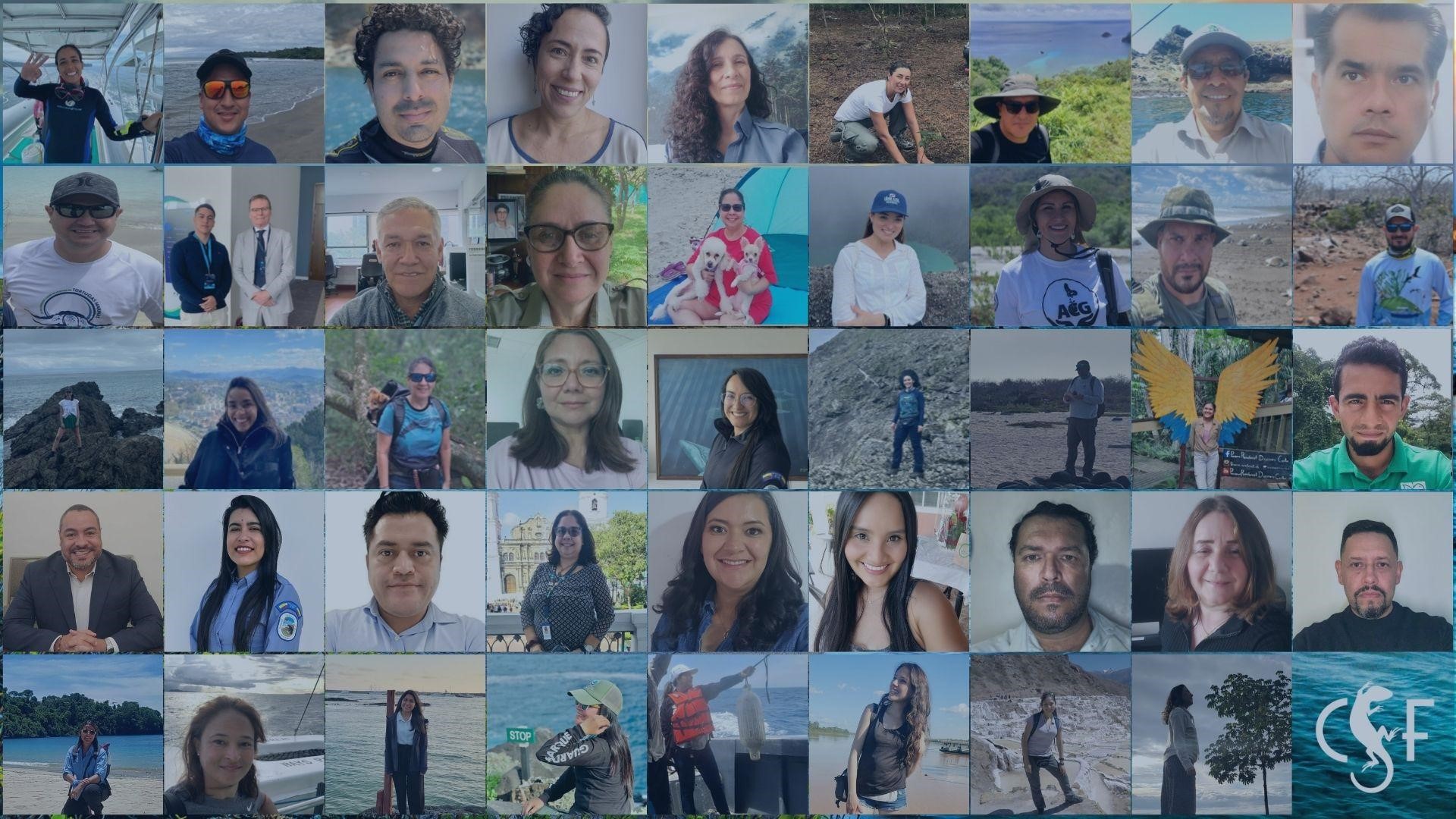
The Conservation Strategy Fund (CSF) is pleased to announce the successful completion of the Blue Economy Course, a virtual course for members of the Eastern Tropical Pacific Marine Conservation Corridor (CMAR). The training took place between July 28 and September 19, 2025, to strengthen the institutional capacities of participants from CMAR member countries: Colombia, Costa Rica, Ecuador, Mexico, and Panama.
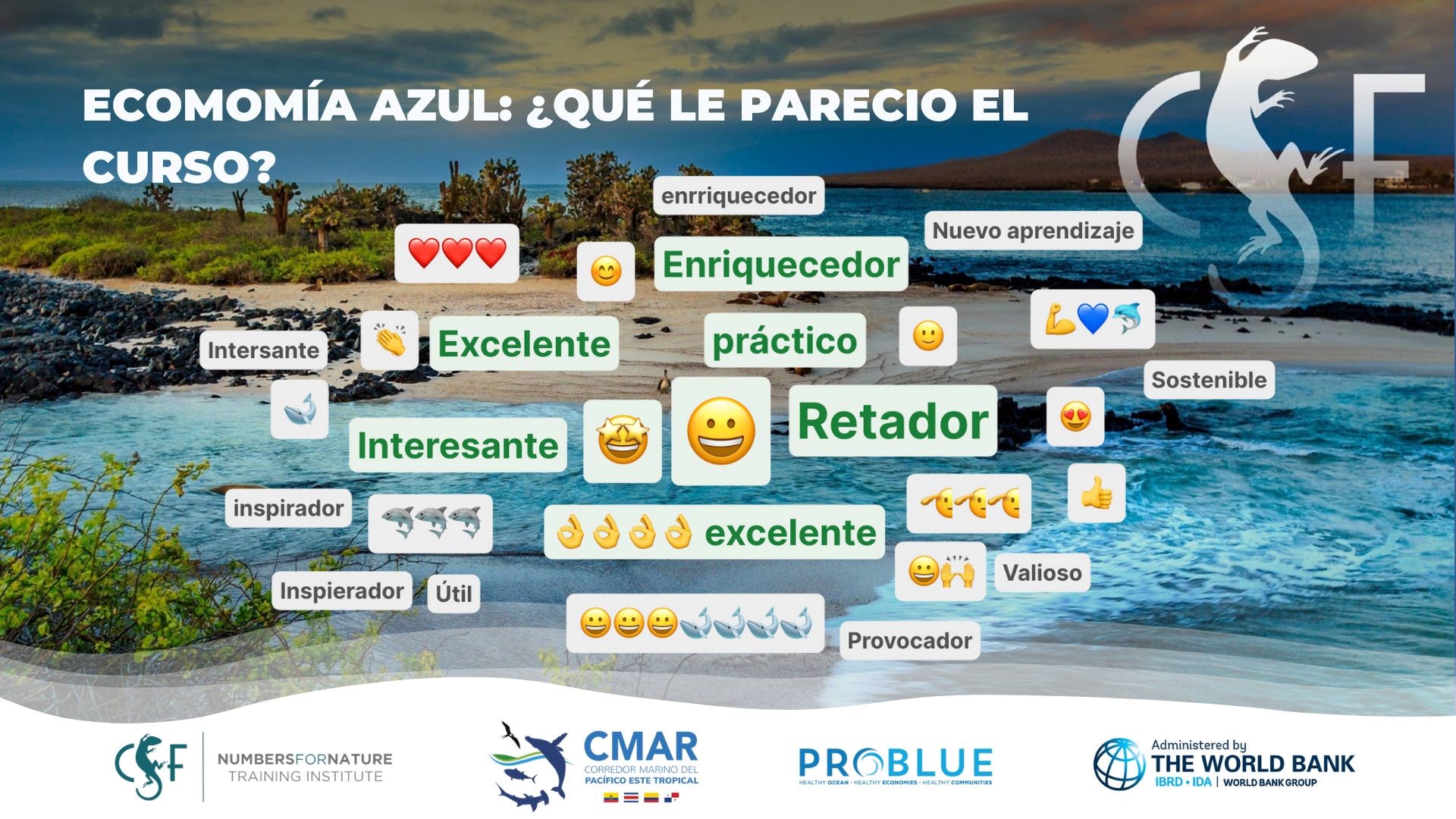
Conservation Strategy Fund (CSF) se complace en anunciar que finalizamos con éxito el Curso Economía Azul, un curso virtual para miembros del Corredor Marino de Conservación del Pacífico Este Tropical (CMAR). La capacitación se realizó entre el 28 de julio y el 19 de septiembre de 2025, con el objetivo de fortalecer las capacidades institucionales de participantes de los países miembros del CMAR: Colombia, Costa Rica, Ecuador, México y Panamá.
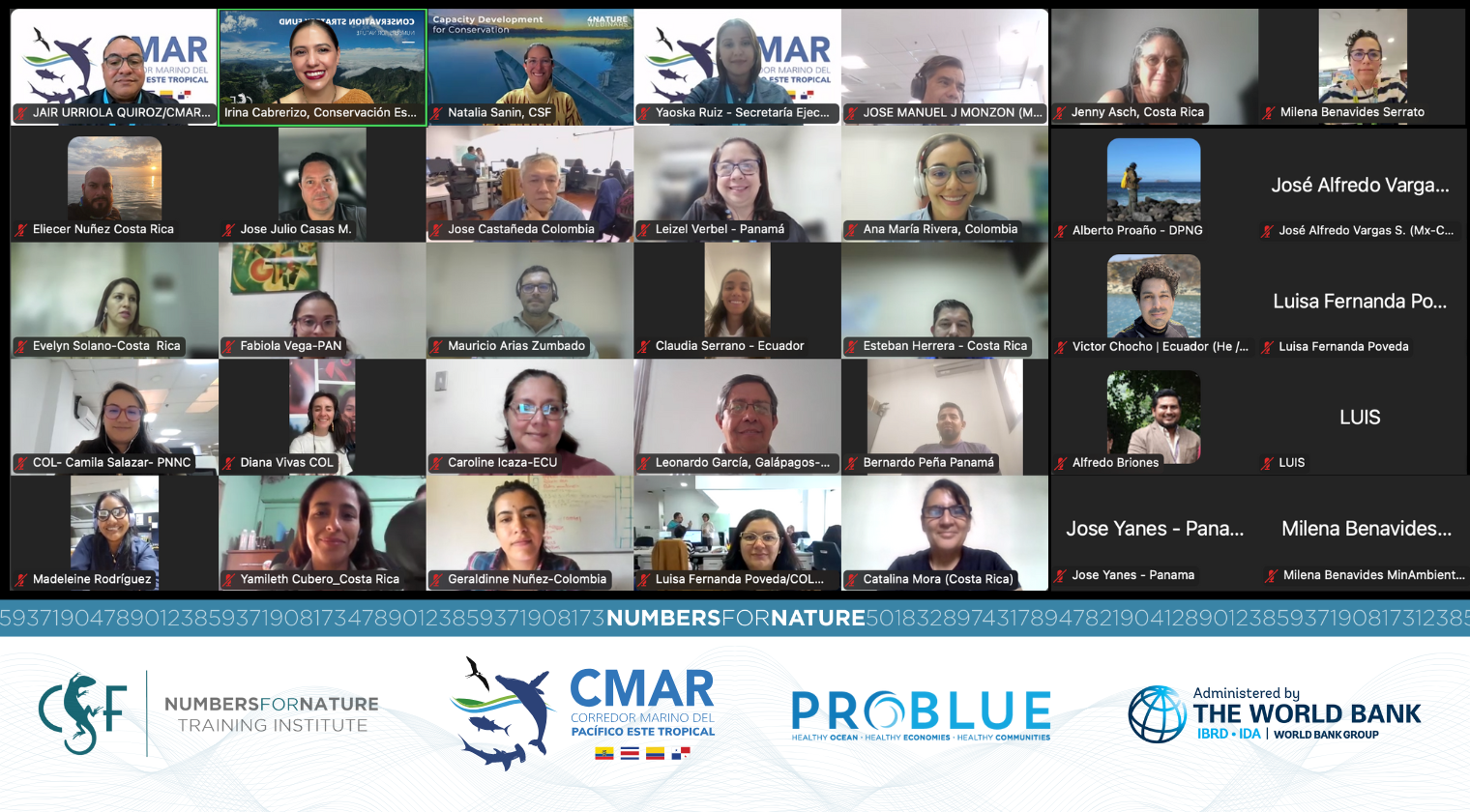
Ya está en marcha el curso virtual “Economía Azul para socios del CMAR”, una propuesta de formación desarrollada por Conservation Strategy Fund, a través de su Instituto de Capacitaciones Numbers for Nature, con el apoyo del Programa PROBLUE del Banco Mundial y en coordinación con la Secretaría del Corredor Marino del Pacífico Este Tropical (CMAR).