News
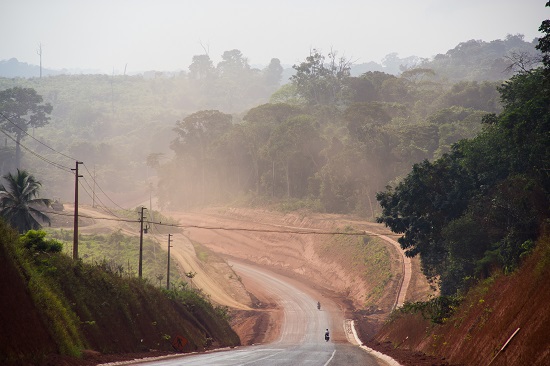
Road in Brazil. Photo credit: Pedarilhos/Shutterstock.com.CSF has been working with the Moore Foundation, IPAM, and FCDS to identify the relative riskiness of planned roads in the Amazon basin in terms of economic, social and environmental costs. Our goal is to promote better infrastructure decision-making in Bolivia, Brazil, Colombia, Ecuador, and Peru by contributing reliable data to the national road planning process.
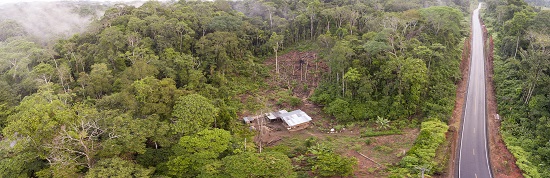
Highway in Ecuador. Photo credit: Shutterstock/ Dr. Morley Read.
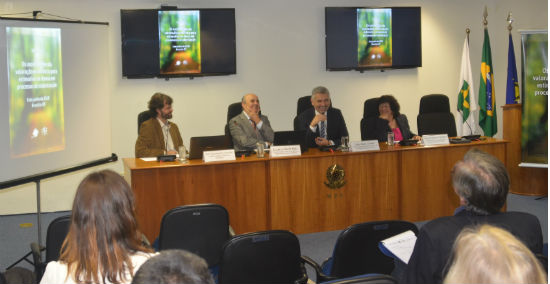
Most decisions regarding the environmental and social impacts of infrastructure projects in the Brazilian Amazon are arbitrated by judges, which means that there are often no clear criteria to establish compensation values.

CSF-Brazil is pleased to announce the launch of a new publication: "Cost Benefit Analysis of the Construction of the Castanheira Dam" (in Portuguese).
The Arinos River, located in the Juruena sub-basin – an important tributary of the Tapajós River – in the Brazilian state of Mato Grosso, is known for its aquatic biodiversity. Currently, however, there are more than 100 dams proposed in this sub-basin, which may threaten the biodiversity and local community’s way of life. One of these is the Castanheira Dam.
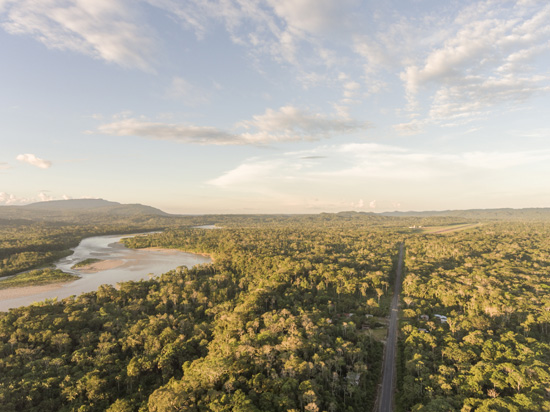
Aerial view of a road through the Amazon forest in Ecuador. Photo credit: Dr. Morley ReadInfrastructure investments in the Amazon can support economic and social development, and bring services to remote populations. However, if poorly planned, they can also result in irreversible, destructive change to the environment and ecosystem services on which communities depend, and lead to inefficient use of economic resources.
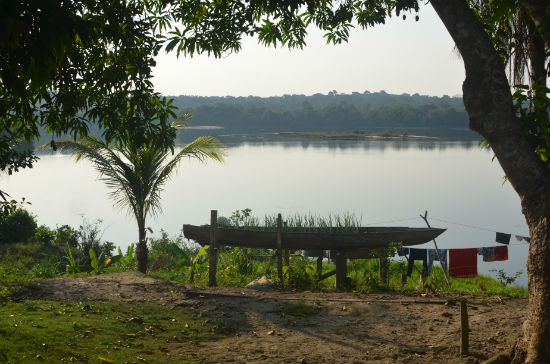
CSF staff conducted a field visit to villages of the Munduruku people in the Brazilian Amazon. These communities have been adversely affected for several years by the construction of the Teles Pires and São Manoel hydropower plants.
Scenic beauty of the Teles Pires river.

Fisherman on the Marañon river. Photo credit: Jose Carlos Rubio
The Marañón River contributes about ten percent of the total water discharged by the Amazon river into the Atlantic Ocean, and transports approximately forty percent of all sediments carried in the Peruvian part of the Amazon watershed. Along with the Ucayali and Madre de Dios rivers, it is one of the main tributaries of the Amazon basin in Peru.
Every day, support from donors like you makes our work possible. Are you willing to make a special year-end donation to help us protect ecosystems around the world?Please, click here to make your donation now.