Building a Regional Network Empowered by Economics and Finance
“This course has changed the way I look at the world around me”
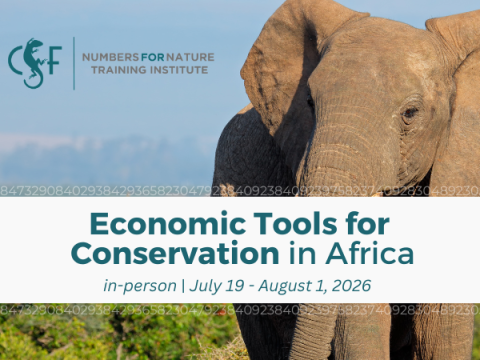
Surrounded by vast savannah and separated from some of Africa’s marquee wildlife by only a fence, participants from across the African continent gathered at the Southern African Wildlife College on July 19 to begin CSF’s newest course, Economic Tools for Conservation in Africa.
Our Numbers for Nature Training Institute has sought to bring our courses closer to the regions that most need economics and finance training. The curriculum for this course builds on our 25+ years of experience with CSF's flagship course and was especially tailored to the African regional context.
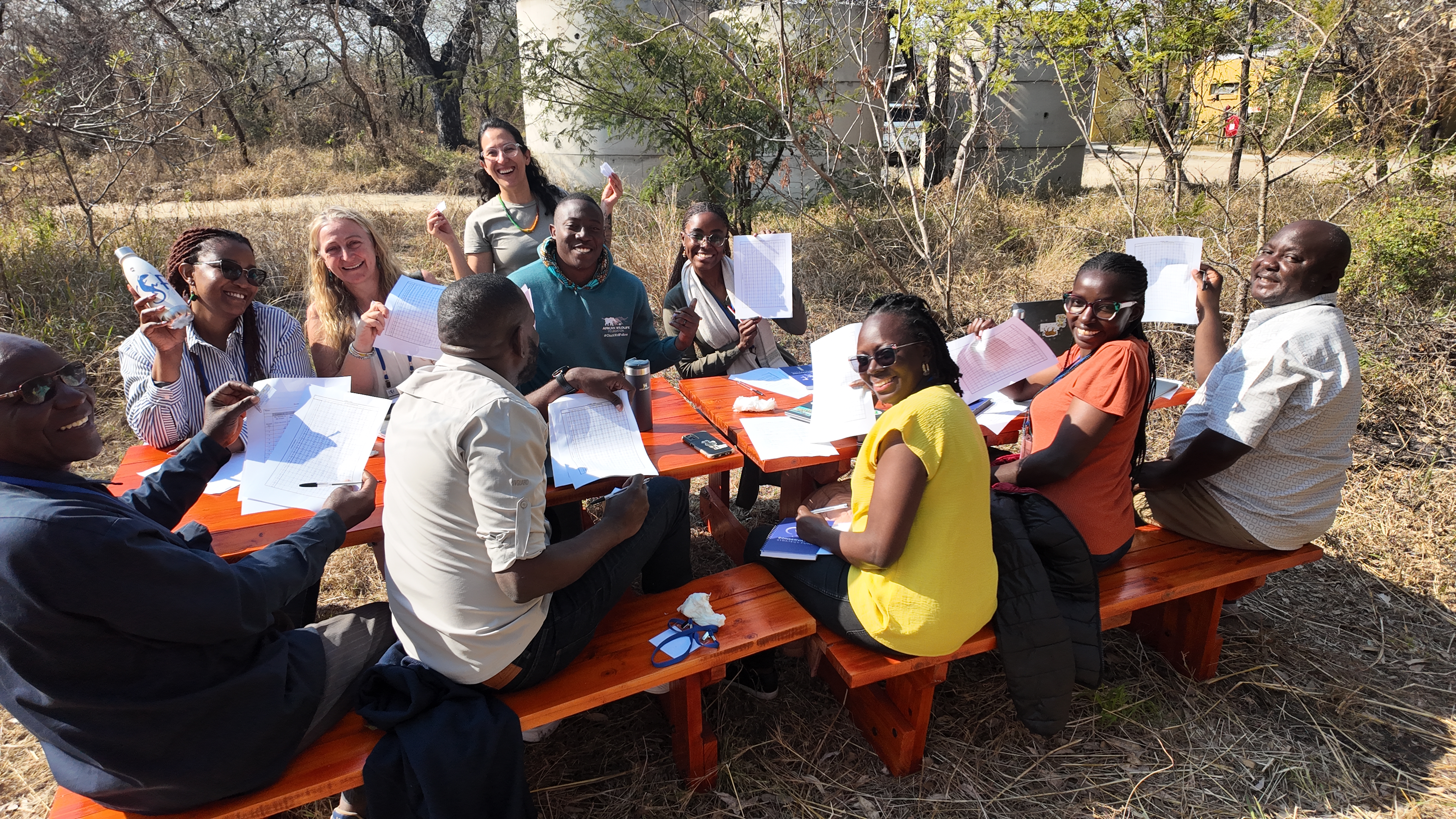
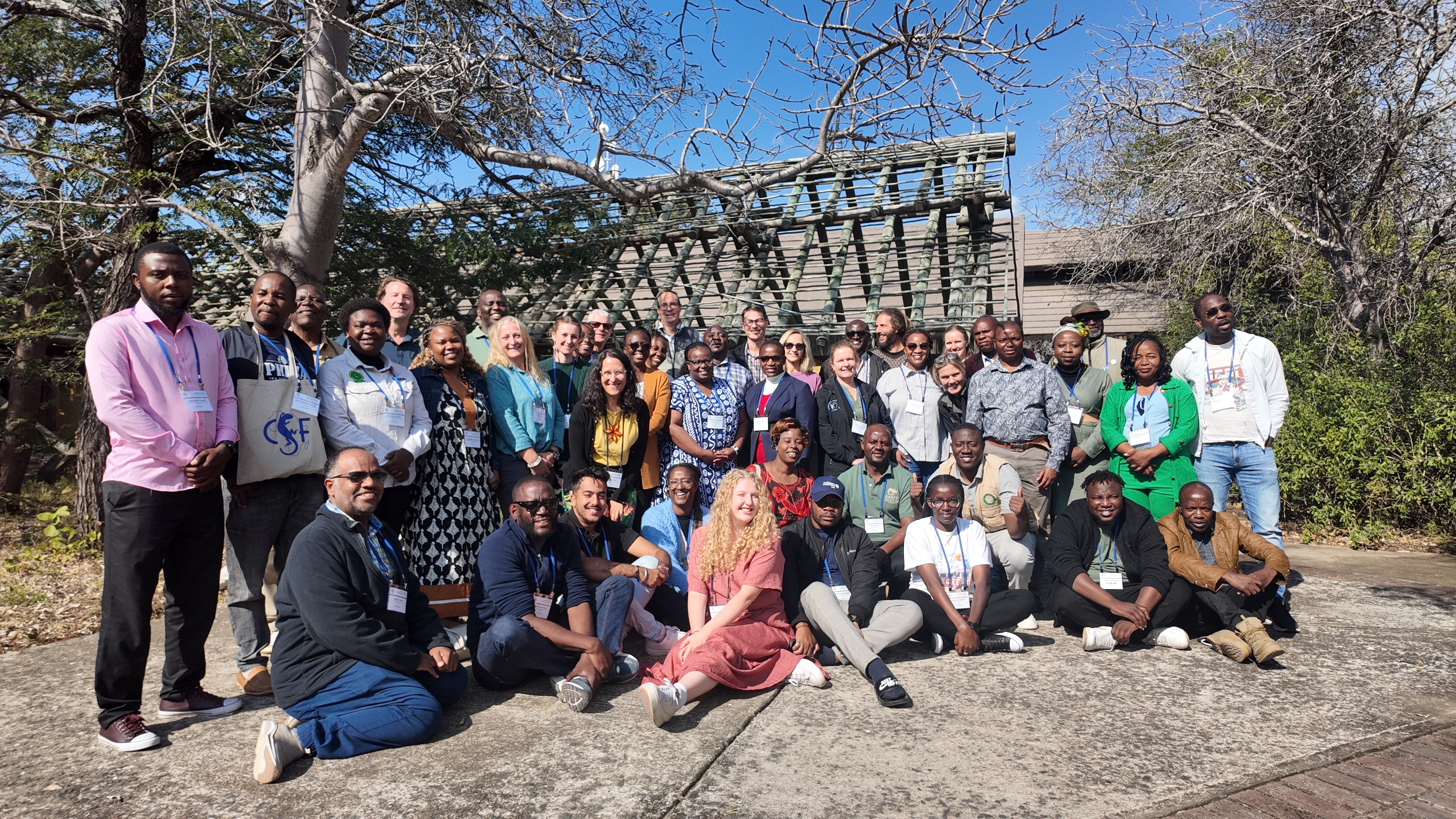
35 participants representing 18 organizations traveled from 10 different African countries (and even from Oman) to take part in this milestone course. Our cohort represented all types of professionals working in conservation, ranging from community leaders stewarding vital forests in Malawi, to conservationists reversing the decline of threatened crane species across the continent, and even South African residents protecting Kruger National Park, the very landscape where this course was held.
Despite their different backgrounds, participants joined this two-week course with a similar goal in mind: to discover the power of using economics and finance to inform and strengthen their work.
Learning a New Language
For many participants, this was their first time learning economic theory, and for nearly all, it was their first time using economics and finance as a lens to view their nature-based work.
Kerryn Morrison from the International Crane Foundation (ICF) was one such participant. After ICF started collaborating with CSF to design and advance conservation finance strategies across their global programs, she knew she was missing something: “It’s a completely different narrative, and I just didn't feel like I had the right language. I didn't understand it all enough.”
But for Kerryn, and many other participants, within just the first few days of instruction, the fog started to clear. Early instruction focuses on instilling a basic understanding of core economic theory and building a new vocabulary that helps describe the everyday decisions that people make.
For Esther Wairimu, learning this new economic language was groundbreaking. Her work with Sustain East Africa involves designing conservation strategies, rangeland management plans, and financing frameworks across multiple landscapes:
“This course has changed the way I look at the world around me. I've realised that incentives matter. People make decisions based on costs, benefits, trade-offs, and the choices available to them. Whether it's conservation, shopping, managing a project, or even everyday life, I'll probably find myself thinking about demand, supply, opportunity costs, and incentives a lot more than I used to.”
Seeing People as the Key to Conservation
A core part of this course includes rethinking how we understand and approach the challenges nearly every conservationist navigates, and many of those challenges center around getting people to care for their environment. Yet, through an economic lens, the challenge shifts.
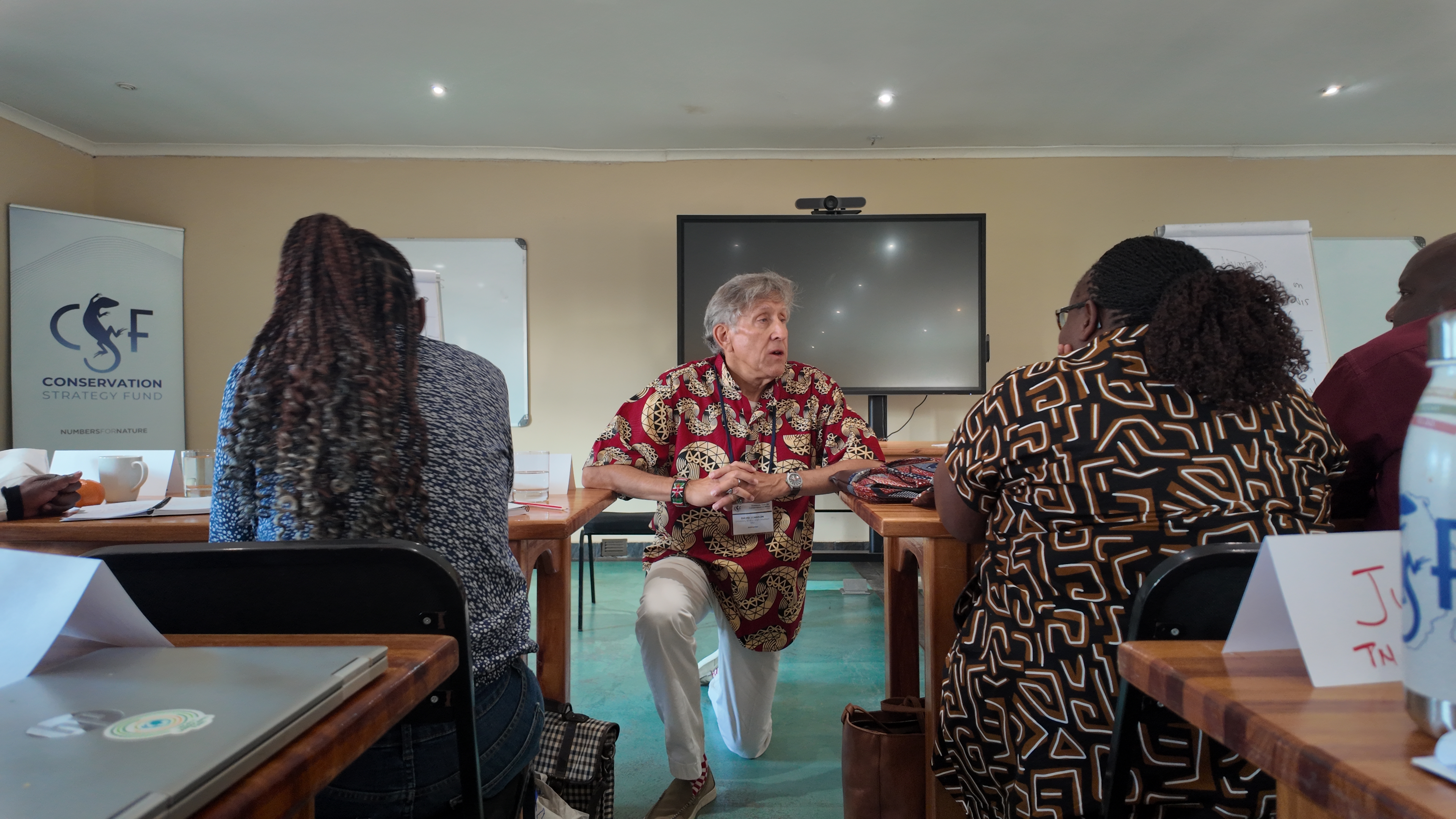
It hit one participant, Kokubanza Timanywa (also from Sustain East Africa), one day during a guest lecture on the Greater Kruger Landscape. A slide read: “If we don’t care about people, people won’t care about wildlife” next to a diagram of Maslow’s hierarchy of needs, and it got her thinking…
“I have to learn that it's not the case that people don't care. It's just that there are other priorities…food to put on the table, to take kids to school, which makes it impossible to care for conservation as we are expecting them to.”
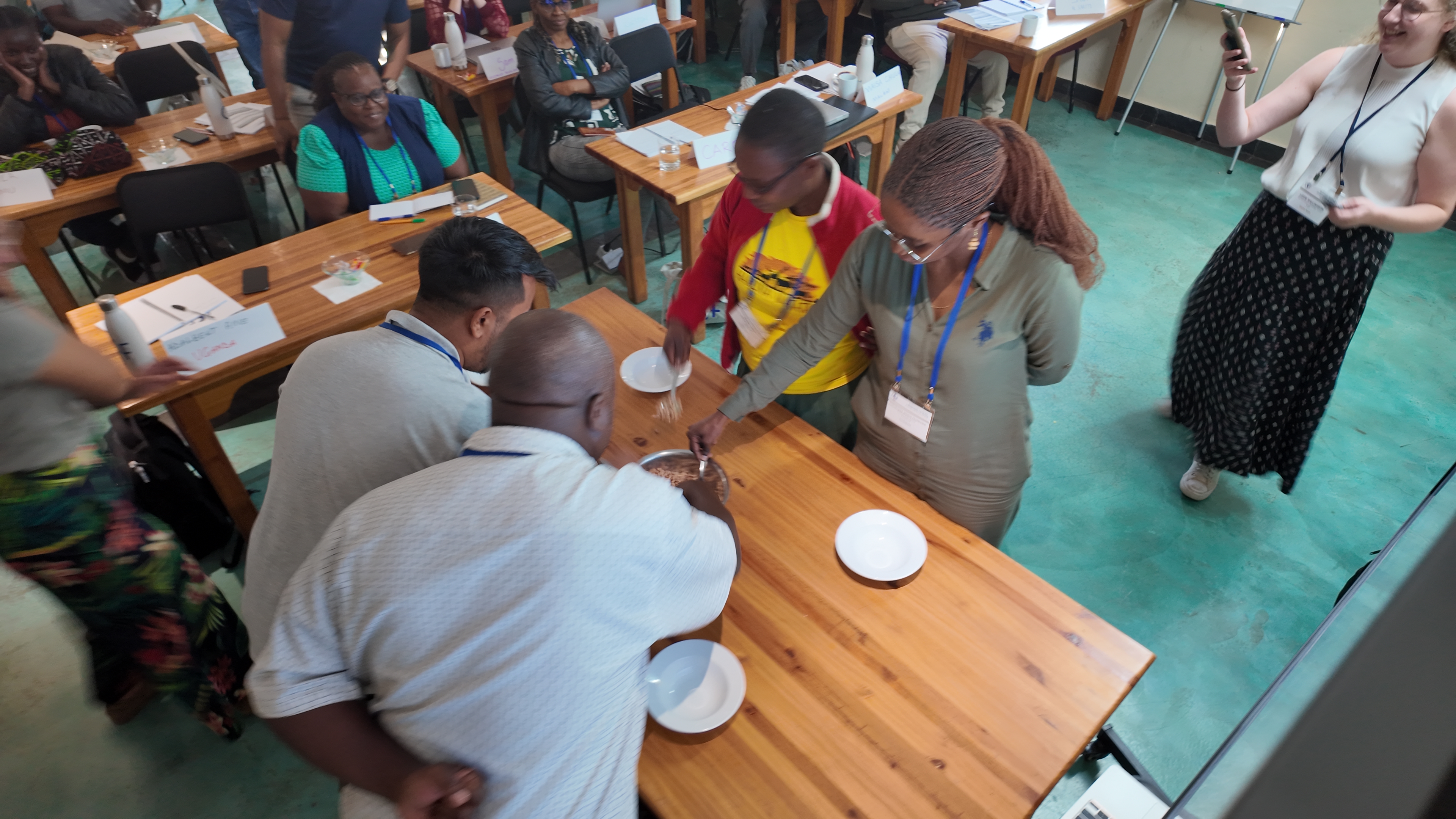
These revelations are reinforced through various group work, games, and activities that help participants think from the perspectives of communities and sectors that must responsibly manage the common resources they depend on to survive. With the wrong incentives that don’t align livelihoods with nature, nature suffers. However, with the right incentives that support sustainable livelihoods, communities and nature can thrive together.
Perhaps no one understood this better than Eddings Shuga Mkandawire, who leads the Nyika Vwaza Community Association in Malawi and is navigating how to maintain a five-kilometer band between two communities and a neighboring protected area. From this course, he says he has gained “negotiation power” between communities and other associations in order to balance community livelihoods with conservation.
Using Economics and Finance to Find Concrete Solutions
Participants also spend time exploring how economic analysis can help strengthen their arguments for nature and better inform decision-making. For University of the Free State Professor Calvin Mudzingiri, understanding how to value ecosystems is something he plans to bring back to his students.
Catherine Chunga, who works for the Malawi Department of National Parks and Wildlife, also sees huge potential: “I had a special moment in class when the lecturer was teaching. I realised that as a country we need to value our protected areas [to build] awareness to policy holders and indeed to the public.”
Yet, at a time when conservation activities face increasing pressure to become financially self-sustaining, many participants enter this course eager to learn more about financing nature. With the language to understand and appreciate each mechanism, participants are introduced to a range of finance solutions. Zondo Chulu, who works with The Nature Conservancy, shared with us how impactful he found this tour of solutions, which spanned the public and private sector:
“The discussions and practical exercises challenged me to think beyond conventional funding approaches and inspired new ideas that I can apply directly in my work with community-led economies and conservation finance.”
A Community that Lasts
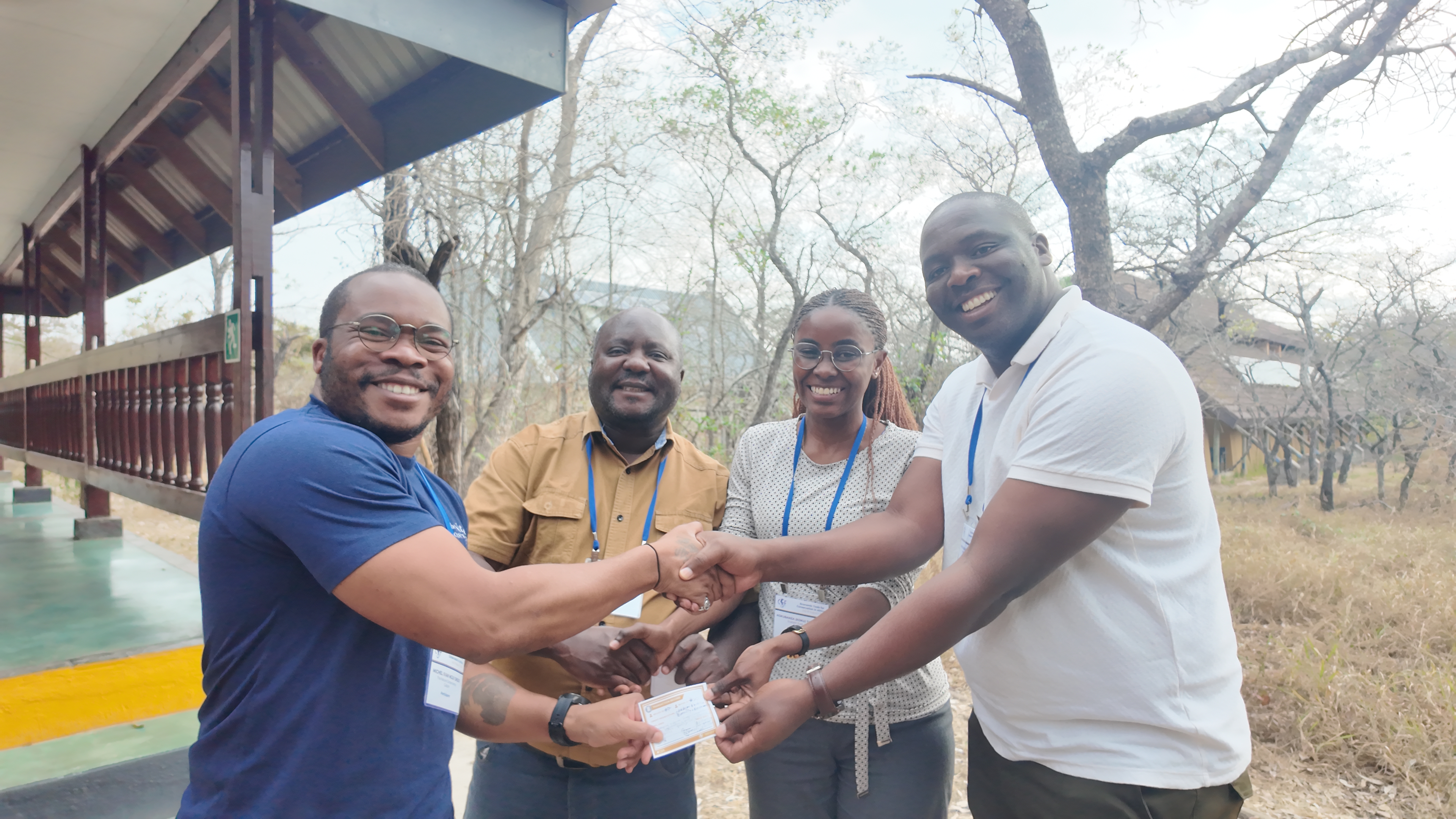
With instruction behind them and certificates in hand, participants left this course armed with newfound literacy in economics and countless tools that they can bring back to their work. However, the community they built over just two weeks is the most valuable takeaway for many course graduates. Aash Wason, who journeyed from Nairobi, Kenya to attend this course on behalf of Save the Elephants, sums it up perfectly:
“The course participants are from such different walks of life, different organizations, but with one goal - Everybody's trying to conserve nature… and that bond we've built for two weeks is something so valuable because now we have people we can rely on.”
Aash connected with several new colleagues across Eastern and Southern Africa, including some who live and work just down the road from him in Nairobi. They have already made plans to meet again outside of the course.
Chanda Mwale, who heads Regional Coordination with the Sustainable Finance Coalition, sees this network as an opportunity. She leaves this course with a question and a charge…
“Where can we collaborate? What can we collaborate on and how can we genuinely utilize what we learn here to generate real impact in the places that we work?”
Conservation can’t be achieved alone, and this new regional cohort of CSF course graduates reminds us all that we are stronger working together.
You can be a part of CSF’s growing network of over 7,000 people using economics and finance to support nature and people together. To join one of our upcoming courses or explore our free resources, visit us at www.numbersfornature.org.
This course was hosted by Conservation Strategy Fund’s Numbers for Nature Training Institute thanks to generous support from the Dry Creek Foundation.
- Log in to post comments