
News
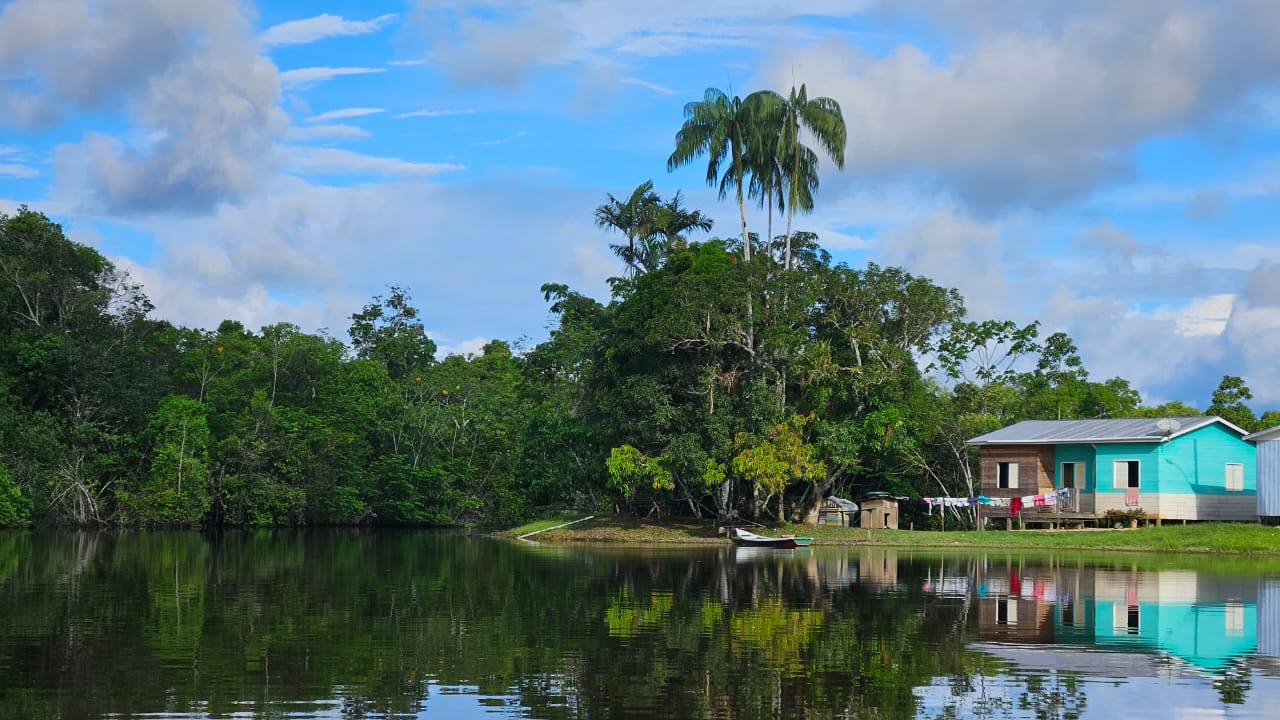
Conservation Strategy Fund (CSF) led a regional initiative between 2025 and 2026 to assess the ecosystem services these territories provide and identify best practices for their conservation and sustainable use. The study covered eight wetlands in the region: the Yata River (Bolivia), the Juruá River (Brazil), the Inírida River Delta (Colombia), the Limoncocha Biological Reserve (Ecuador), North Rupununi (Guyana), the Pastaza Fan and the Pacaya Samiria National Reserve (Peru), and the Coppenamemonding Nature Reserve (Suriname). The analysis focused on services such as carbon sequestration, food provision, recreation (tourism), biodiversity, and water supply.
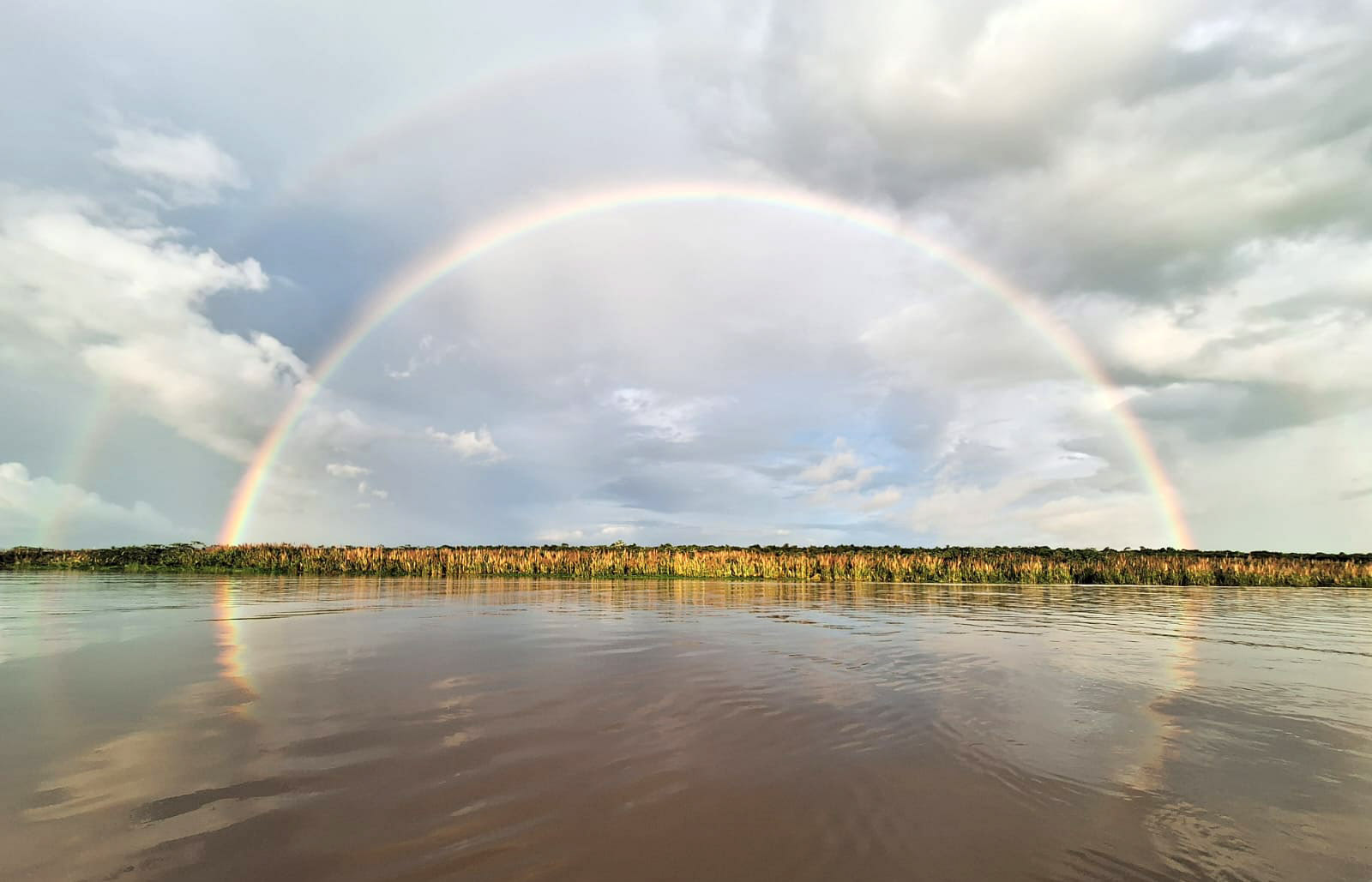
Conservation Strategy Fund (CSF) lideró entre 2025 y 2026 una iniciativa regional para evaluar los servicios ecosistémicos que estos territorios brindan, e identificar buenas prácticas para su conservación y uso sostenible. El estudio abarcó ocho humedales de la región: el río Yata (Bolivia), el río Juruá (Brasil), la Estrella Fluvial del Inírida (Colombia), la Reserva Biológica de Limoncocha (Ecuador), North Rupununi (Guyana), el Abanico del Pastaza y la Reserva Nacional Pacaya Samiria (Perú) y la Reserva Natural Coppenamemonding (Surinam). El análisis se centró en servicios como el secuestro de carbono, la provisión de alimentos, la recreación (turismo), la biodiversidad y el suministro de agua.
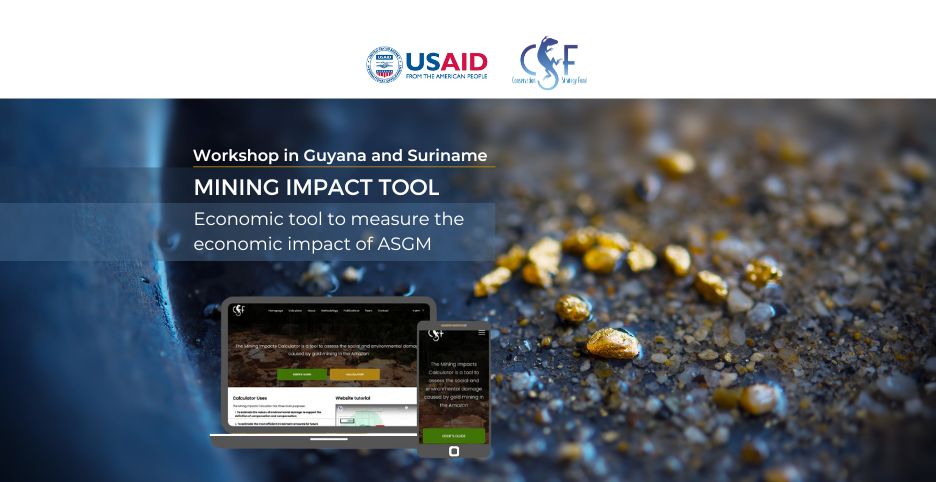
Conservation Strategy Fund (CSF) and United States Agency for International Development (USAID) held two workshops in Guyana and Suriname to introduce key actors and experts in Artisanal and Small-Scale Gold Mining (ASGM) with the fundamental concepts and variables that comprise the economic valuation methodology that underpins CSF's Mining Impacts Calculator.