
News
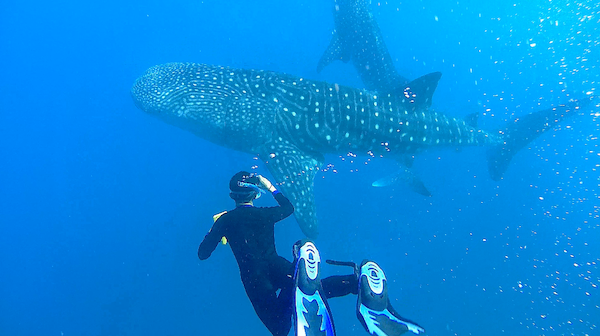
According to the International Union for Conservation of Nature (IUCN), the whale shark, or Rhincodon typus, has been added to IUCN's red list of endangered species, following a population decline of 50% over the last three generations. While the causes of the whale shark population’s decline are not yet fully known, the conservation of their remaining habitat is more critical now than ever before.

Conservation Strategy Fund (CSF) Indonesia employs a research-to-policy approach to providing sustainable development goals for marine management all across Indonesia. As a part of this approach, CSF Indonesia collaborated with the Agency of Research and Human Resources (BRSDM) within the Ministry of Marine Affairs and Fisheries (MMAF) to hold a National Seminar on Research and Policy in Fisheries Socio-Economics.
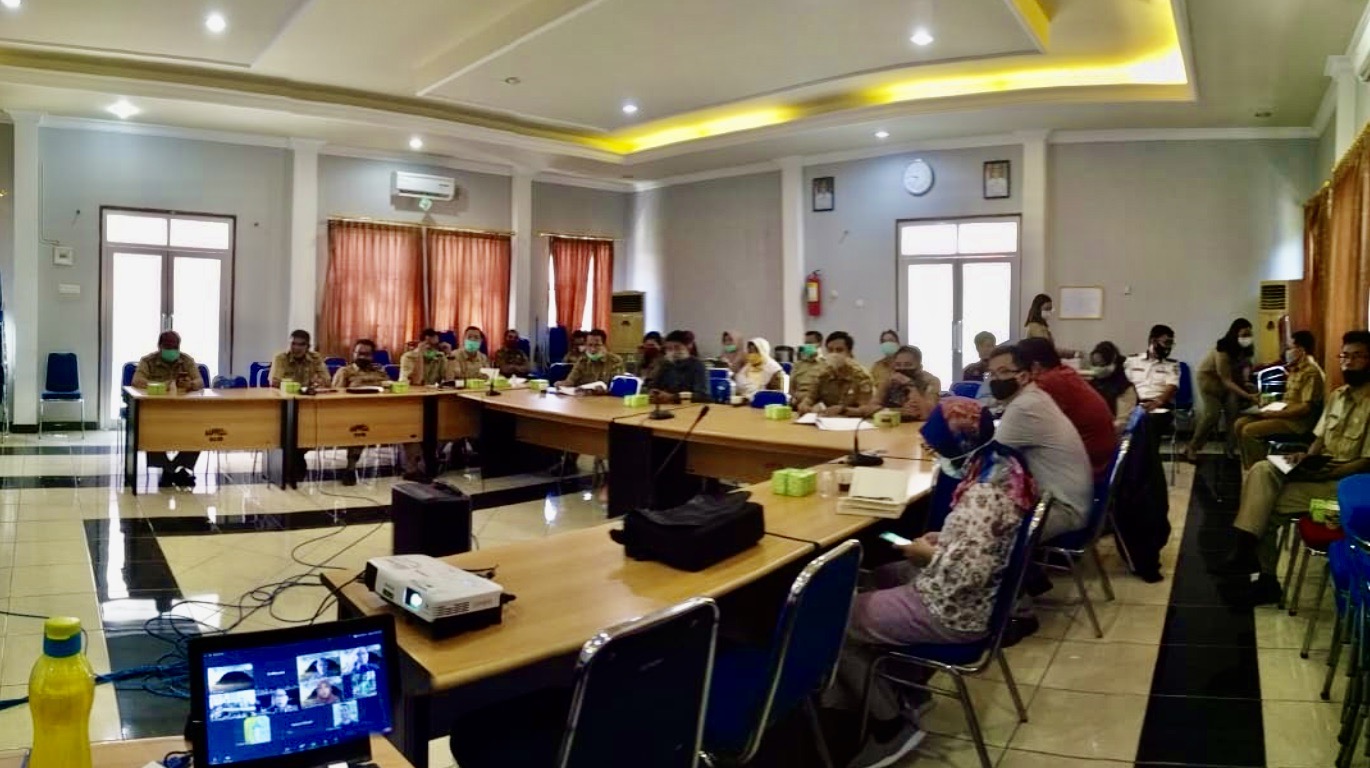
This August, CSF Indonesia held its first virtual course in collaboration with the Sintang District Government in West Kalimantan, Indonesia, as a part of the ongoing Green Sintang Action Plan. In response to COVID-19, CSF Indonesia transitioned the in-person training into a virtual format, which allowed the team to better reach local stakeholders and community leaders throughout the Sintang District.
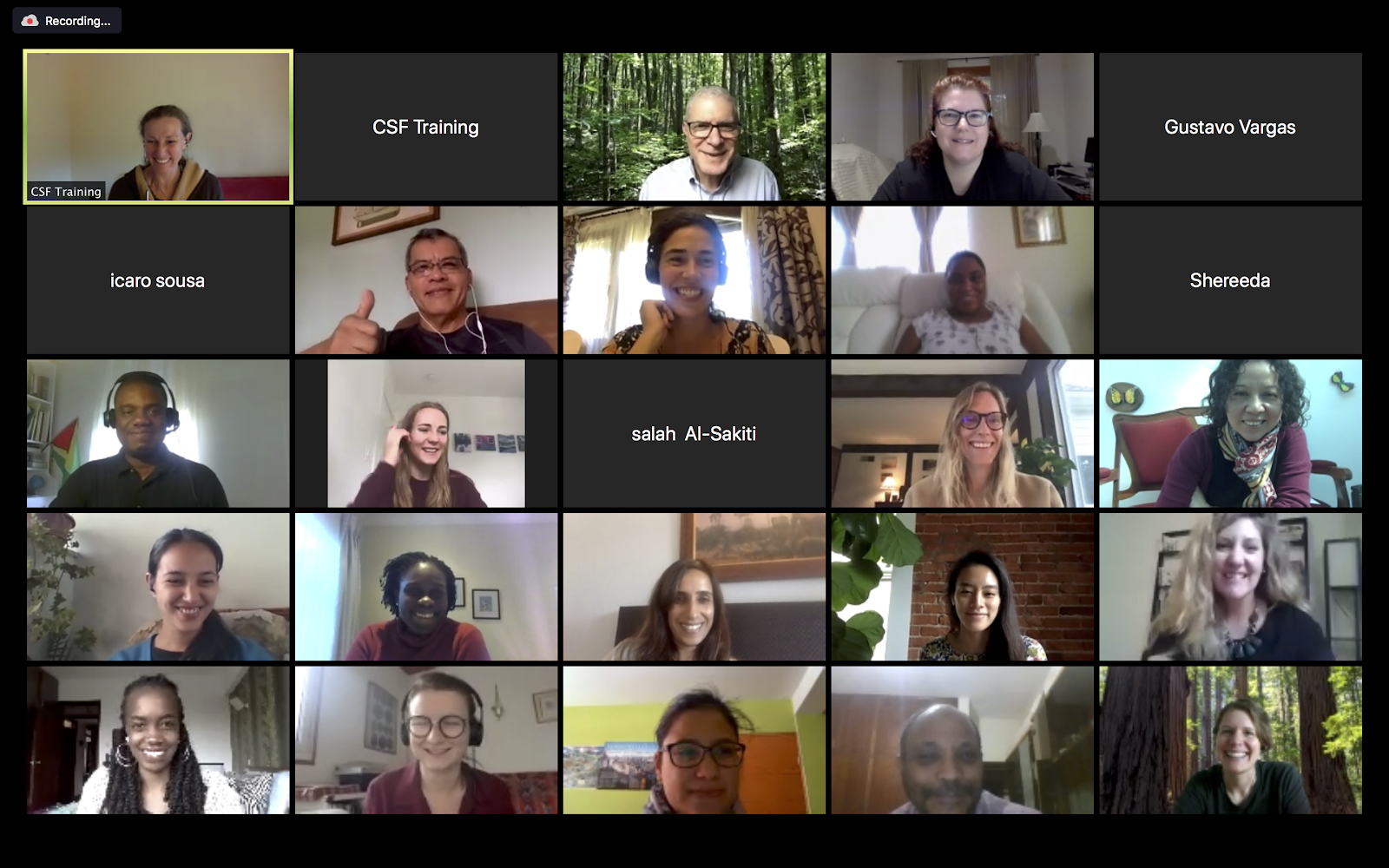
In response to the ongoing COVID-19 pandemic, Conservation Strategy Fund held its first-ever virtual and online training for our flagship international course: Economics and Finance for Environmental Leadership. With 57 participants from 29 different countries, the CSF training team worked tirelessly to transition our in-person course into a virtual learning format and provide an exceptional educational experience for participants from all over the world.
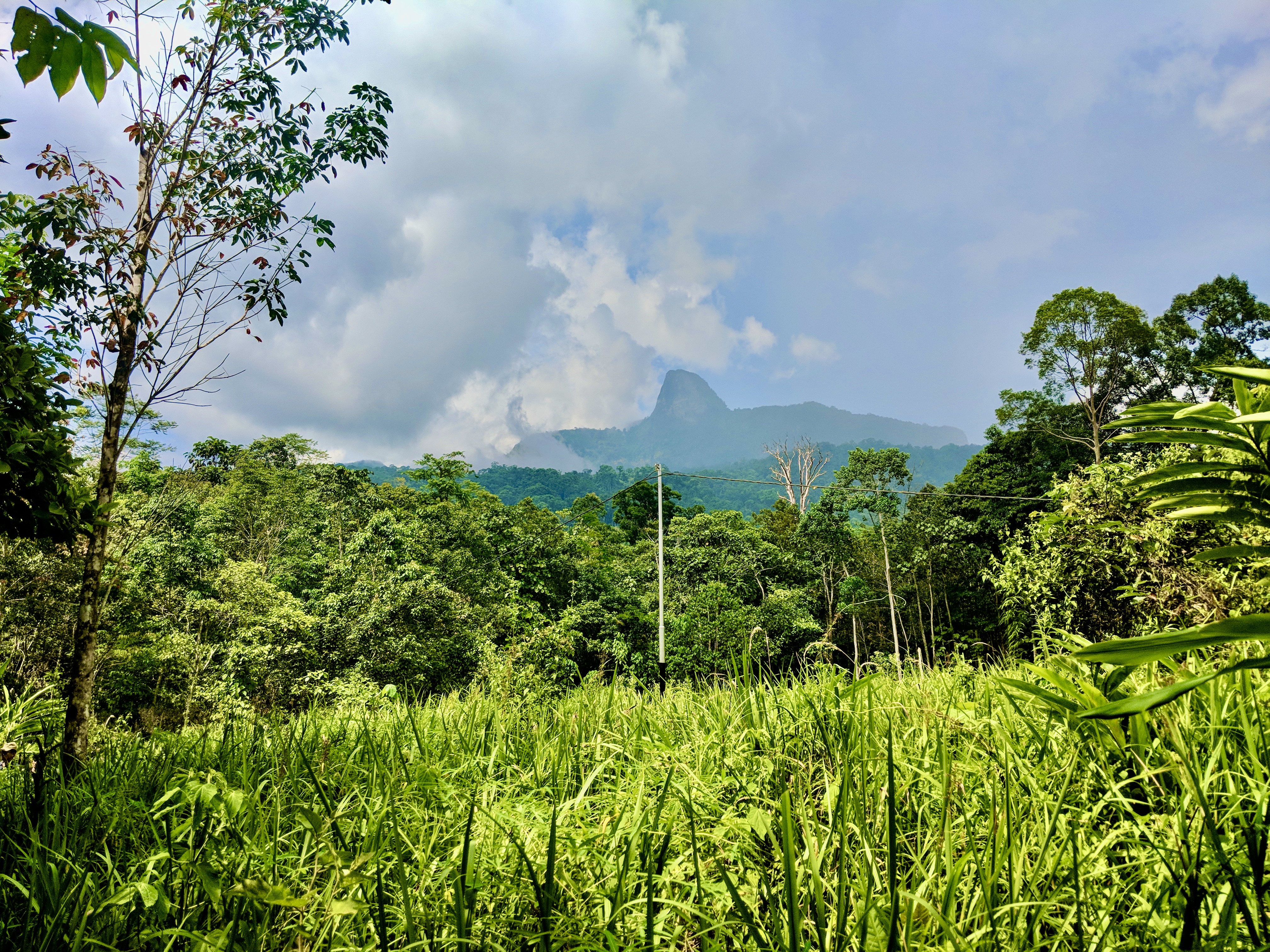
In response to the COVID-19 Pandemic, CSF Indonesia held its first-ever webinar as a part of our collaborative engagement with the Sintang District Government in West Kalimantan, Indonesia for its Green Sintang Action Plan.
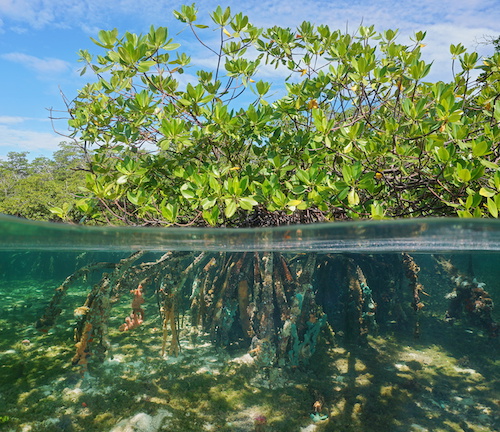
Photo credit: Shuttershock

Photo credit: Shutterstock.com
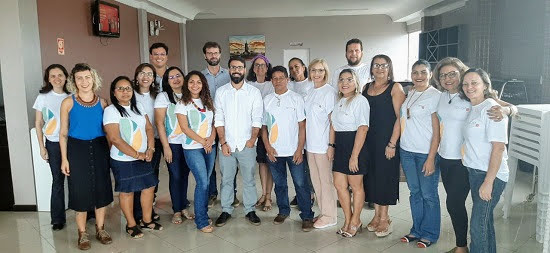
Photo: Workshop participants.
Photo credit: Jaqueline Hombono, Secretariat for the Environment, Amapá State
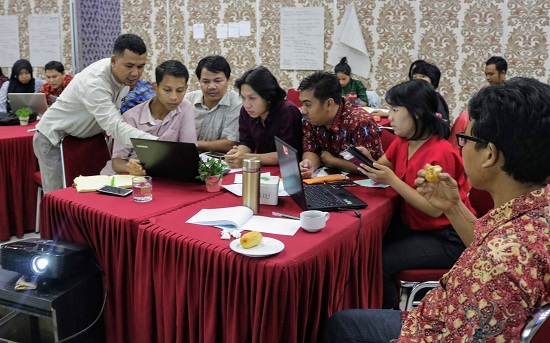
CSF Analyst Sopian Hidayat working with a group during the Capacity Building workshop. Photo credit: Hasanul Adha Fauzi
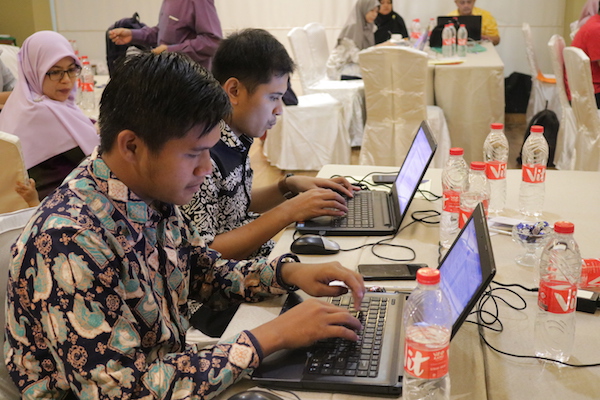
CSF-Indonesia is conducting a Fisheries Management Area (FMA) analysis program in cooperation with the Faculty of Fisheries and Marine Science at Bogor Agricultural University (FPIK-IPB) and Raja Ali Haji Maritime University (FPIK-UMRAH). The FMAs were established in 2009, dividing Indonesia’s marine territory into eleven areas, with the dual mandate of effectively managing the fisheries and improving the livelihood of fishers.