
News
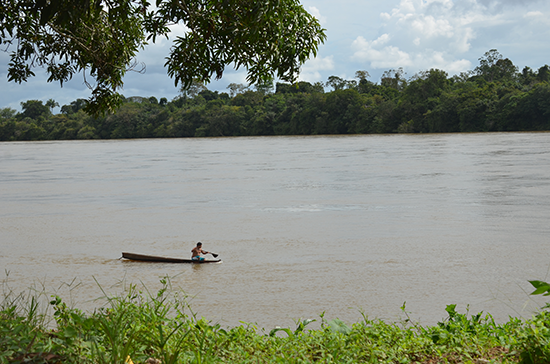
The region of the Tapajós basin is considered the new frontier of energy expansion in Brazil. Specifically the São Luiz do Tapajós hydroelectric project, the largest planned for the basin. If it is built, many ecosystem services will be impacted, influencing the well being of hundreds of local people who depend on them. In this perspective, CSF conducted a study that sought to understand the economic impacts on the services provided to local populations.
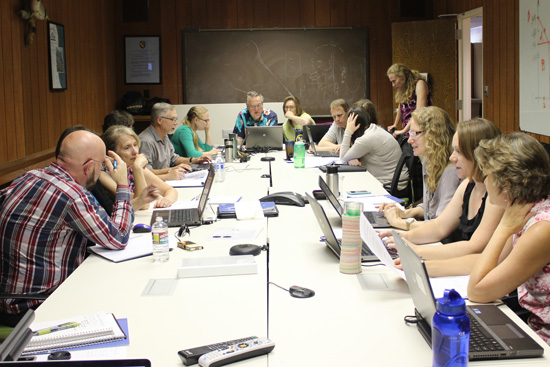
Course coordinators Margaret Duncan, Niki Gribi, Craig Martz, and Kim Bonine.CSF traveled to Sacramento, CA in October to lead a three-day training for the California Department of Fish and Wildlife (CDFW). Participants included 28 members of the CDFW staff, and 6 members of the California Fish and Game Commission (FGC). We were able to reach 16 staff in field offices across California using remote access technology and our online workspace.
CSF's sound fiscal management practices and commitment to accountability and transparency have earned it a 4 out of 4 star rating from Charity Navigator, America’s largest independent charity evaluator.
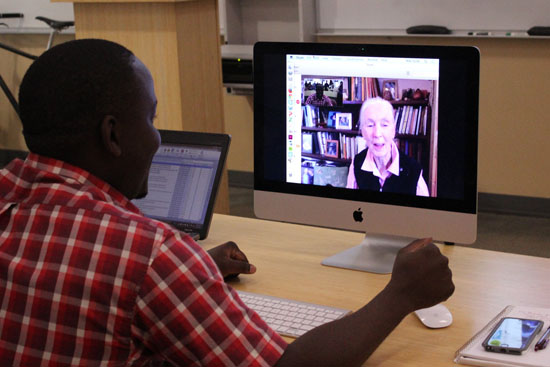
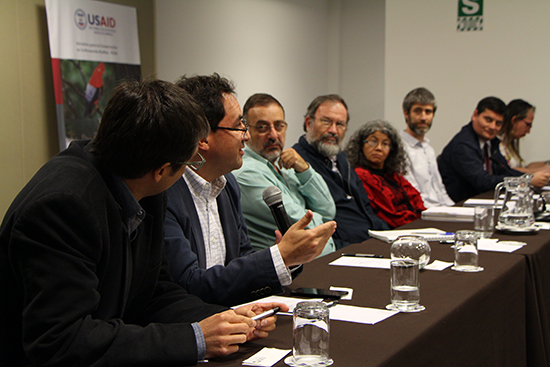
Este 19 y 20 de agosto once becarios del Programa de Becas para el Desarrollo de Investigaciones Económicas Aplicadas para la Conservación en la Amazonía Andina presentaron, junto con sus tutores, los resultados de sus investigaciones a participantes de entidades de gobierno, ONG y universidades.
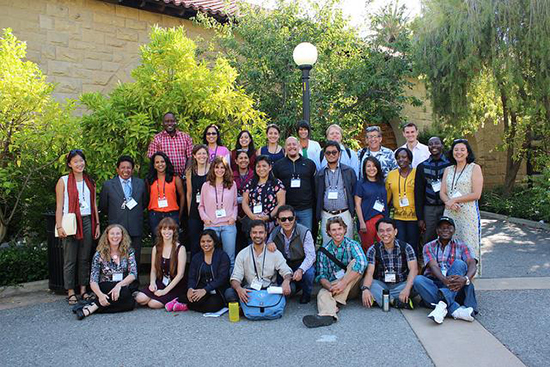
Our 17th annual International Economic Tools for Conservation course is underway at Stanford University! We have an amazing group of people from every corner of the globe sharing ideas about how to protect the ecosystems and human livelihoods of the world.
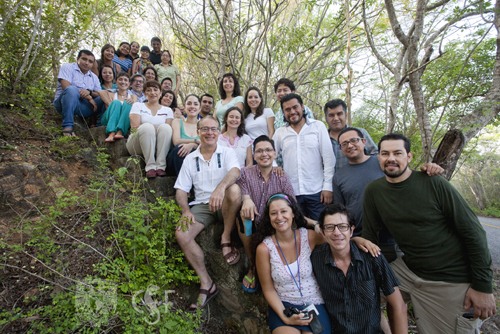
Last month, the National Autonomous University of Mexico (UNAM) and CSF presented the second annual Economic Tools for Conservation in Mexico and the Mesoamerican Reef. Twenty participants from different regions of Mexico and the Mesoamerican Reef came together to learn what economic drivers cause environmental problems and the potential solutions to them. The two-week course was held June 15th-26th at UNAM’s Chamela Biological Station in Jalisco, Mexico.
Este video es realizado por CSF en el marco del Consorcio Paisajes Indígenas de la Iniciativa para la Conservación en la Amazonía Andina de USAID .
El video muestra las características y resultados del análisis hecho a las propuestas existentes para la interconexión vial entre las ciudades de Pucallpa (Perú) y Cruzeiro do Sul (Brasil) que atravesarían la Amazonía de ambos países.
Amazonas native. © Fernanda Preto
Photo credit: Fernanda Preto
There’s no Wikipedia page so you can be forgiven for suspecting that I’m making it up. But Conservation Economics is actually being practiced by a bunch of serious people engaged in one of the most profound challenges of our time - averting massive losses in the diversity of Earth's life forms. So if it doesn’t exist, it’s time we brought it into being. Here goes: